Finding my way back to adventure, stillness and perspective in the Himalayas.
My recent trek in Pakistan gave me something I didn’t realise I’d been missing: my sense of adventure — and some space in my own head.
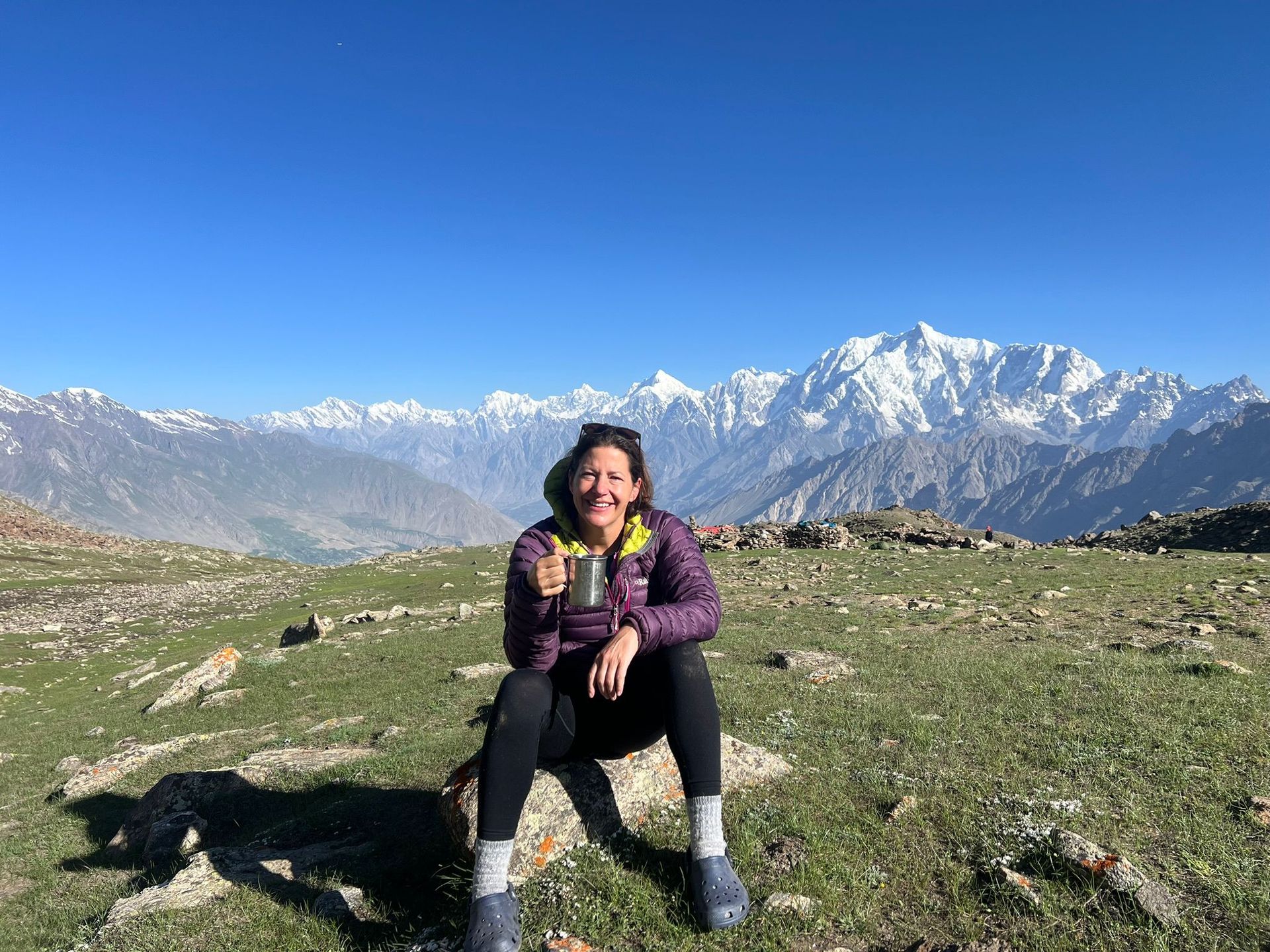
Days spent hiking through incredible mountain landscapes, breathing some of the freshest air imaginable, being physically challenged and, perhaps most importantly, being largely disconnected from the digital world created space to slow down.
No constant notifications.
No emails.
No meetings.
No pressure to immediately respond.
Just walking, breathing, thinking, reflecting and being present.
For days, life was beautifully simple:
Walk. Breathe. Eat. Sleep. Find a toilet. Repeat.
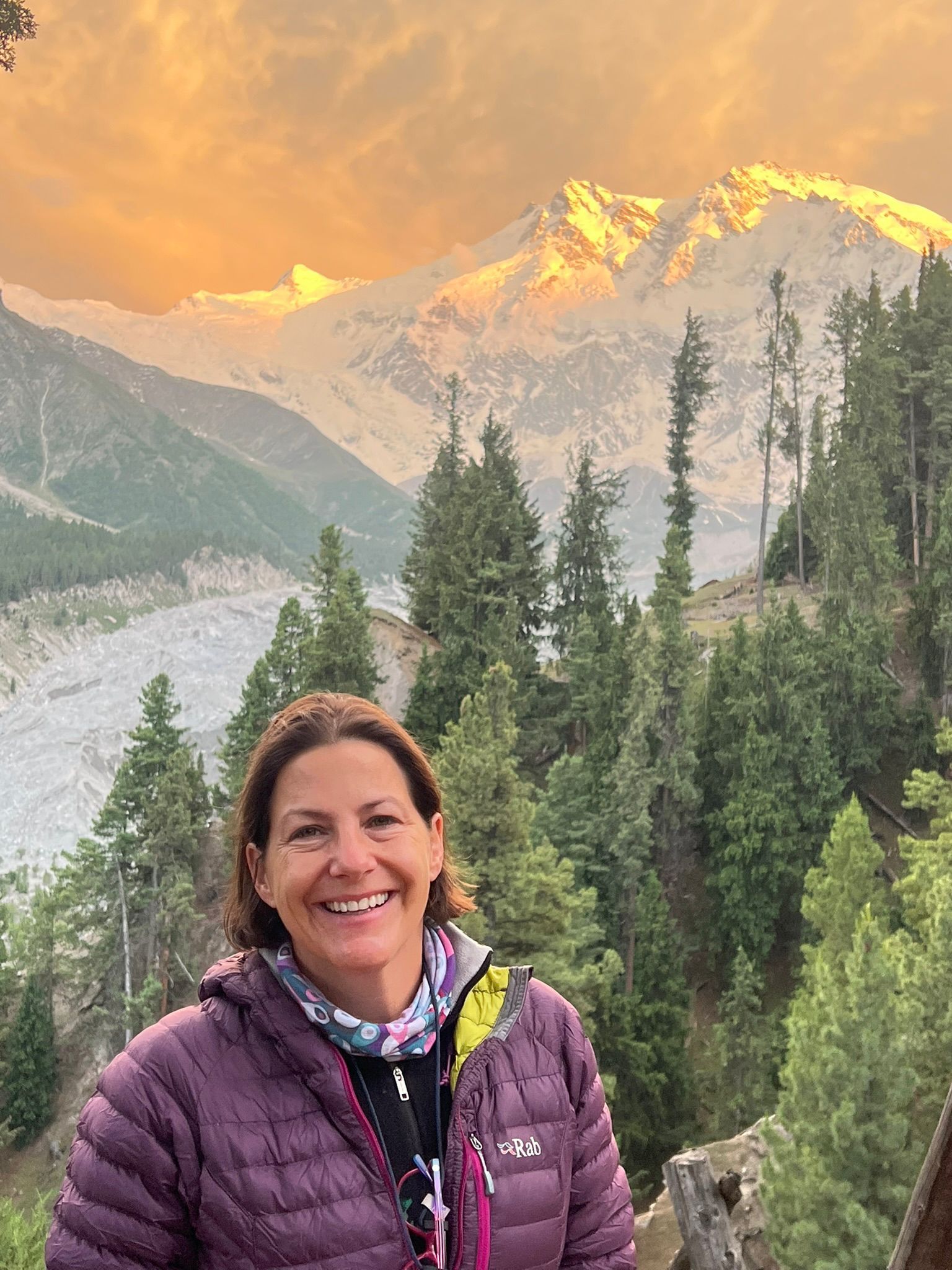
And somewhere along the way, the mental noise became quieter.
There was time to think, reflect and regroup about what really matters — both personally and professionally.
But the trek was also an opportunity to reconnect with an old friend.
The laughs. The ridiculous moments. The fun. And the deeper conversations about life, work, purpose, what really matters and where we’re heading.
Those conversations were a reminder that connection is part of happiness and longevity too.
We talk a lot about the importance of movement, sleep, nutrition, recovery and biomarkers when we think about longevity. But meaningful relationships, shared experiences, laughter and having people to have the big conversations with are just as fundamental to a life well lived.
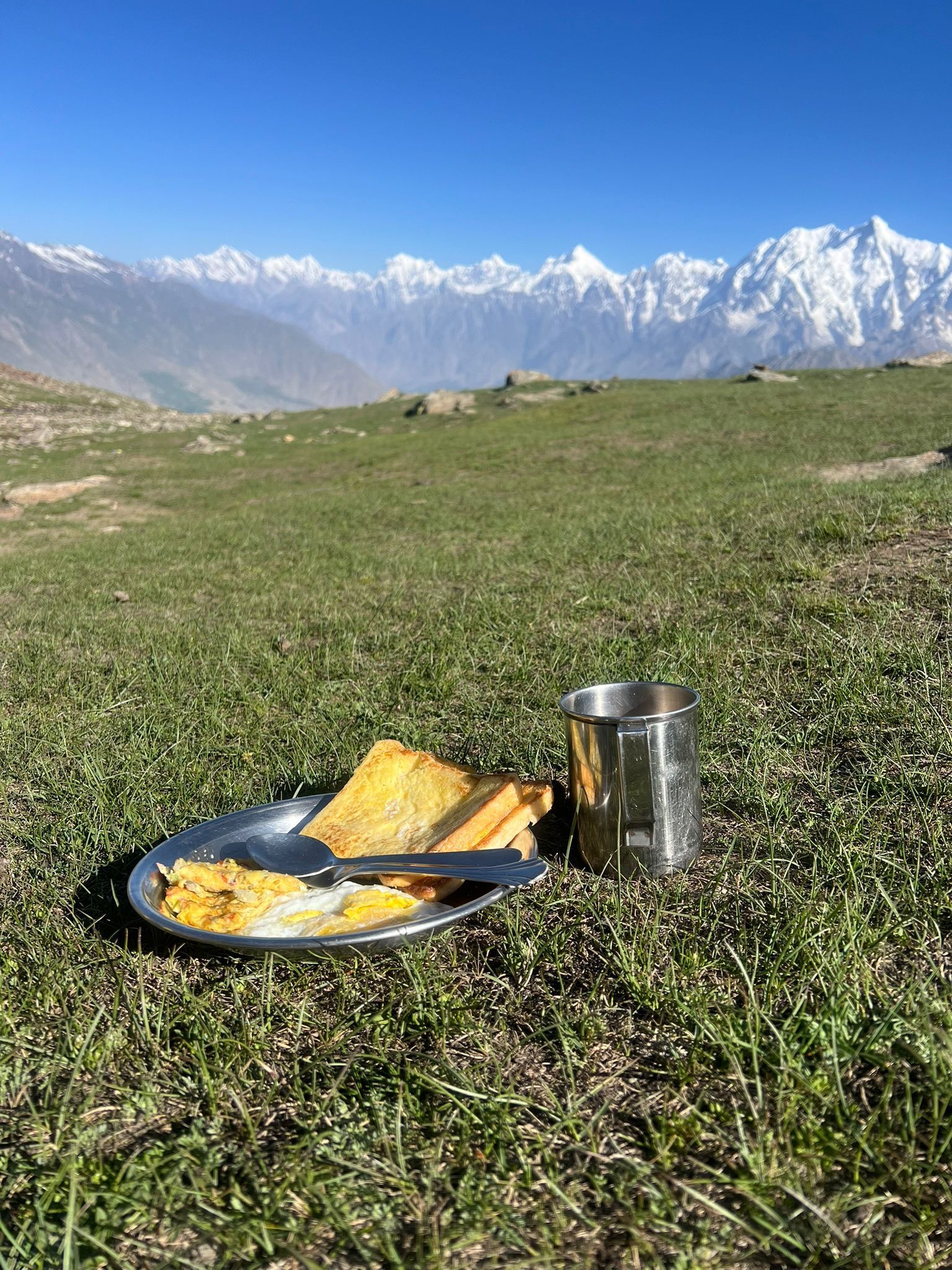
It was a powerful reminder that many of the things we associate with human optimisation and longevity aren’t necessarily complicated.
Movement. Nature. Sleep. Fresh air. Meaningful challenge. Connection. Recovery. Mental rest.
We can measure biomarkers, optimise sleep, track exercise and experiment with technology — but some of the most powerful interventions remain remarkably simple:
Move. Get outside. Breathe deeply. Challenge yourself. Connect. Recover. Reflect.
The harder part is bringing some of that calm back home.
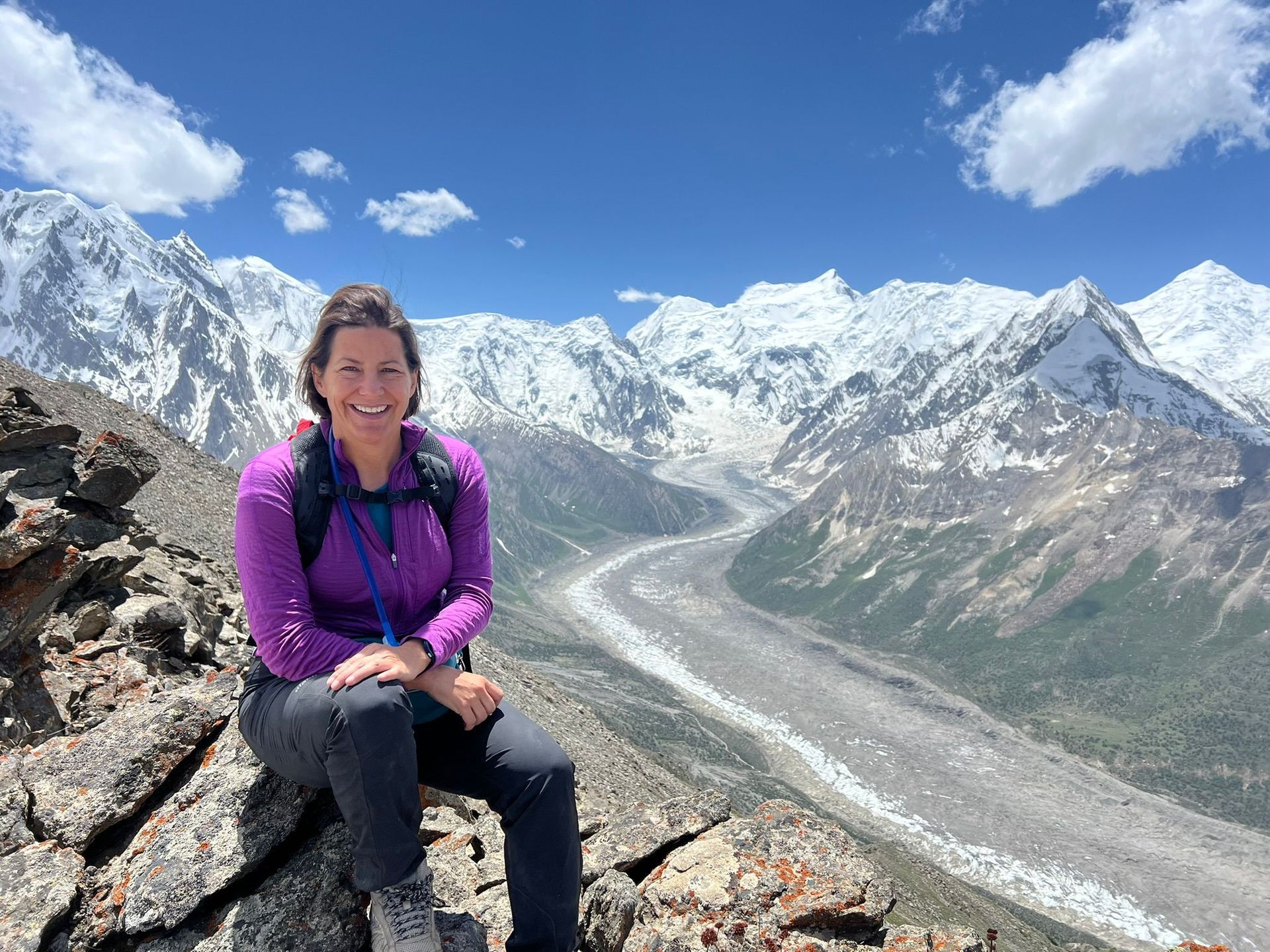
I’m particularly susceptible to the pull of work because I genuinely love what I do. My work is interesting, intellectually stimulating and incredibly fulfilling.
And when you genuinely enjoy what you do, the line between working and not working can become blurry.
Being a workaholic doesn’t always feel like a problem when the work itself is rewarding.
But the mountains reminded me that a full life needs more than achievement.
It needs adventure, stillness, perspective, connection and recovery.
Longevity isn’t just about adding years to life. It’s about having the energy, curiosity and capacity to fully experience those years — with the people who make those years meaningful.
Perhaps sustainable performance isn’t about constantly optimising for more.
Perhaps it’s about learning to oscillate between periods of intensity and periods of recovery — and being intentional about protecting both.
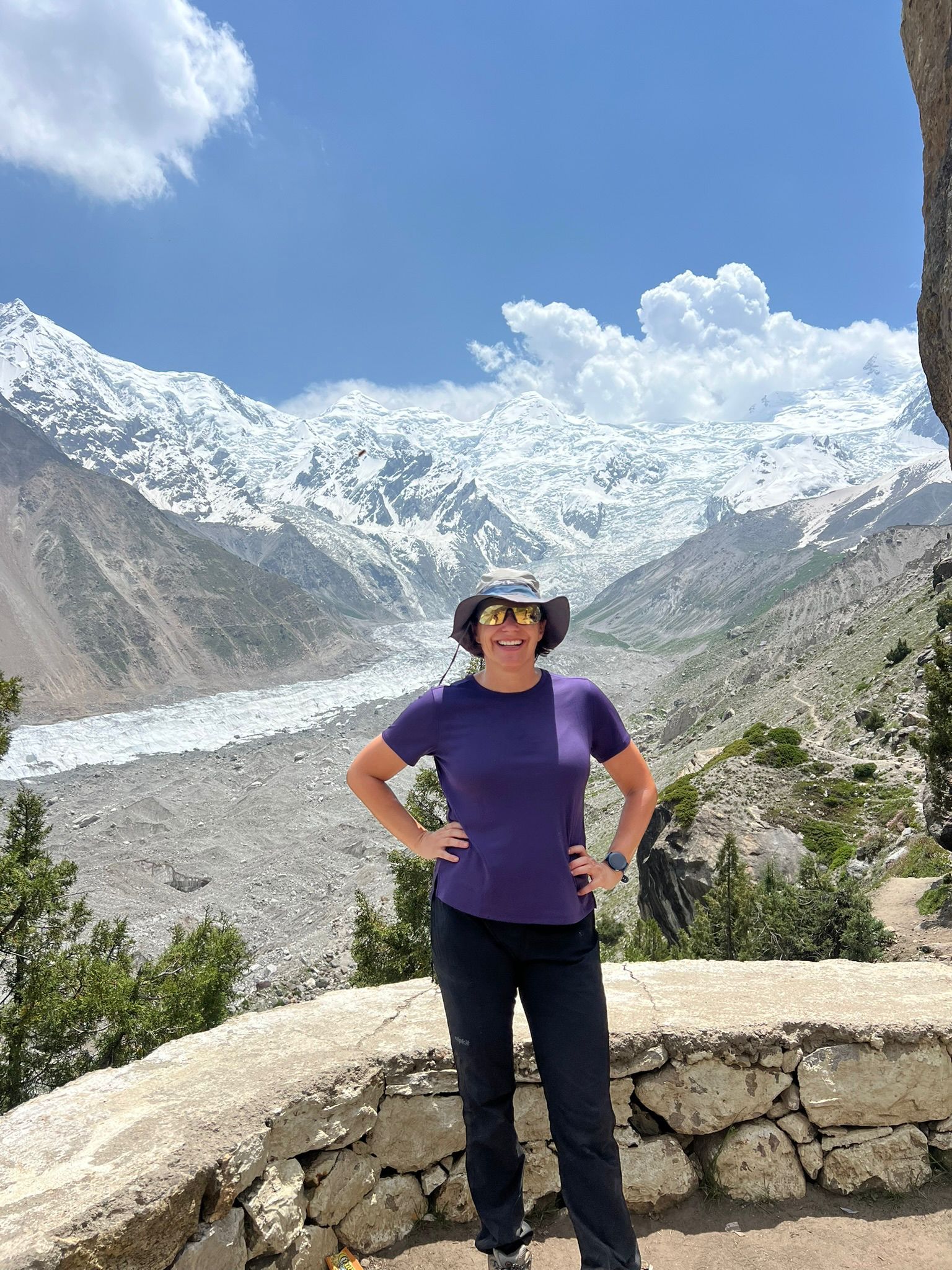
The Himalayas reminded me how good balance can feel.
Now comes the difficult part: bringing a little of that Himalayan calm back into everyday life, while still embracing the work that I love.
For those of you who love what you do but also recognise the importance of switching off — what are your rituals, boundaries or habits for maintaining calm, perspective, connection and balance once you’re back at work?