
DUTCH Testing: What It Is and What It Can Tell You?
When it comes to understanding your hormones, testing can feel like a confusing world of options. One test that comes up increasingly often, particularly in private and integrative women's health, is the DUTCH test.
So what actually is it, what can it show, and where does it fit alongside more familiar pathology tests? Here is a clear, balanced overview.
What Is the DUTCH Test?
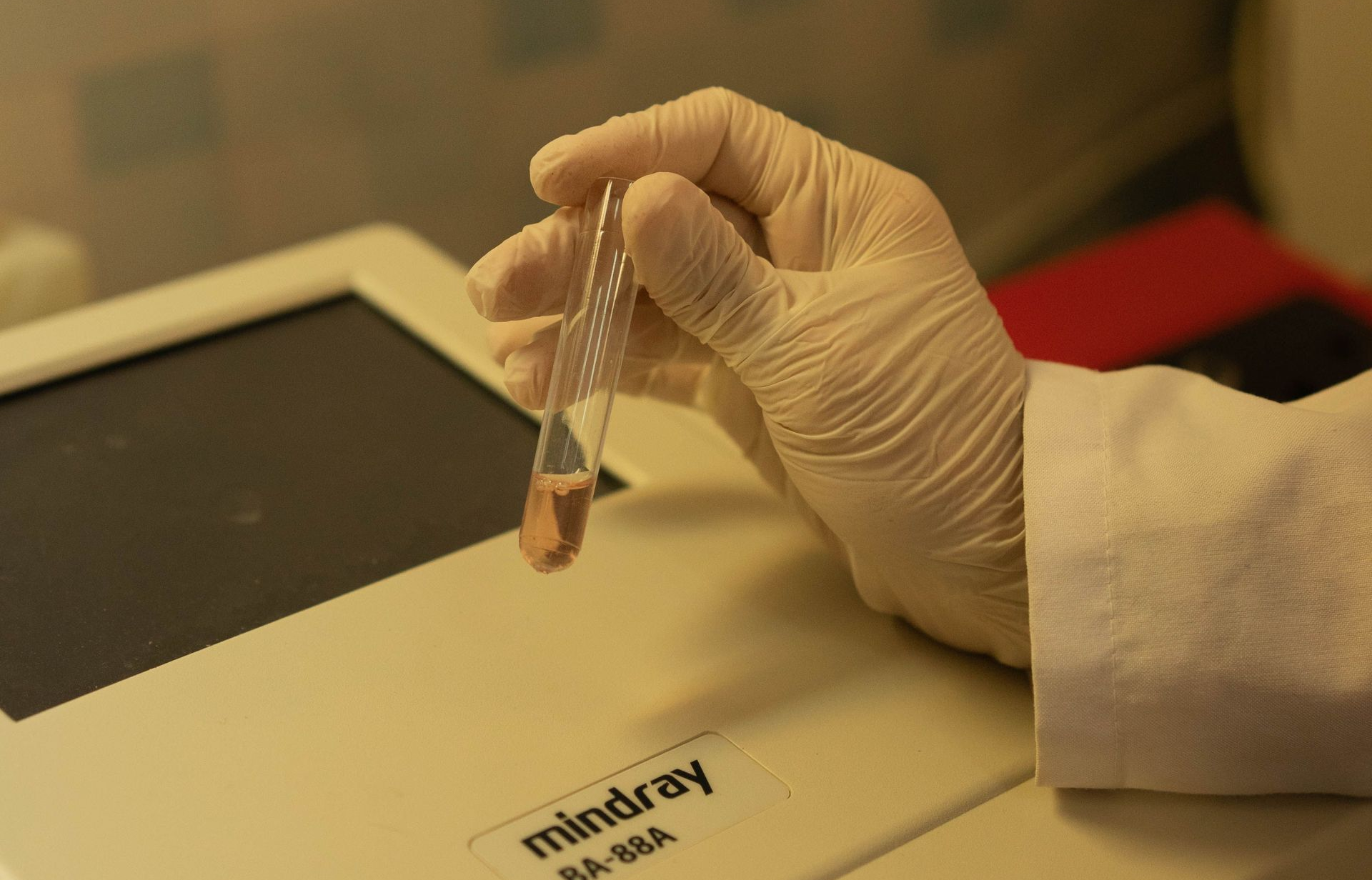
DUTCH stands for Dried Urine Test for Comprehensive Hormones. Rather than a blood sample, it involves passing a small amount of urine onto a piece of filter paper at four to five points across a day, allowing the samples to dry, and then sending them to the laboratory for analysis.
There are a number of different variations of the DUTCH test:
● For menstruating women, there is a cycle mapping version, which is repeated on several days throughout the menstrual cycle to map the hormonal changes across the cycle.
● The DUTCH Complete and DUTCH Plus tests use saliva as well as urine, in order to test the diurnal pattern of cortisol and its metabolites on four to five occasions during the day, alongside measuring the sex hormones and their metabolites. DUTCH Plus has one extra adrenal test compared with DUTCH Complete, taken 30 minutes after waking, which can be helpful for certain patients. The addition of adrenal testing in saliva can be done on both the standard DUTCH test and the cycle mapping versions.
What makes it different from a standard blood or other pathology test is that it measures not only certain hormones but also their metabolites, the substances your body produces as it processes and breaks those hormones down. This can give a much more detailed picture of not just sex hormone levels in the body, but also how they are being produced and cleared.
There are many clinical situations where this can be particularly useful, such as a history of likely hormone imbalance, excess or insufficiency (for example endometriosis, fibroids or ovarian cysts), a family history of hormone sensitive cancer, or younger patients with PMS or fertility issues. In all of these situations we want to look at which pathways the body is using to break down and clear the hormones, as the body may be poorly metabolising oestrogen and other hormones, causing a build up of the more toxic metabolites and leading to clinical problems. Looking at the diurnal pattern of cortisol and its metabolites can also give valuable insights in clinical practice, and is not something readily available in more conventional testing.
What Can It Measure?
Depending on the panel, the DUTCH test can look at a range of markers, including oestrogen, progesterone, testosterone and other androgens, DHEA and their metabolites, and the pattern of cortisol and cortisone across the day.
The interest in metabolites is one of the main reasons some clinicians use it. For example, looking at how oestrogen is metabolised is something that cannot be seen on a standard blood test, and the daily cortisol pattern can offer insight into the stress response over a full day rather than at a single moment.
How Does It Compare to Blood Testing?
Blood tests remain the standard and most widely validated way of measuring many hormones, and they are what most guidelines are based on. They are essential in many situations, although NHS menopause guidelines do not support routine testing of any hormones, relying instead on a treat according to the clinical picture basis. There are situations, such as testing for premature menopause, where blood tests are essential to make a clinical diagnosis, although even then DUTCH testing can offer a lot of useful additional information.
The DUTCH test is best understood as a complementary tool that can add extra information in the right context, particularly its metabolite and daily cortisol data, rather than a replacement for blood testing. It is important to be honest that the evidence base for urinary metabolite testing is more limited and less standardised than for serum testing. Interpretation is complex and requires extensive clinical expertise.
Who Might It Be Useful For?
DUTCH testing may be considered where a more detailed picture of hormone metabolism is helpful, or where symptoms are complex and standard testing has not fully explained the picture. It is often used in a private or integrative setting as part of a wider assessment.
It can also be used to monitor response to certain forms of HRT, though not all. Your clinician will discuss whether this is appropriate for you, and whether you need to pause your hormones for a day or two before testing.
Who Is It Not Useful For?
DUTCH testing is not suitable for women taking the combined oral contraceptive pill or the Mirena coil. Several other contraceptives also interfere with the results, so it would be rare to complete a DUTCH test while on hormonal contraception. Older synthetic progestins in some forms of HRT can also interfere with DUTCH testing.
Adrenal testing is unhelpful if carried out when someone is unwell, going through a period of especially intense exercise (competing in an event, for example), or when the body is under another form of unusual stress such as surgery or the immediate aftermath of an accident. The aim is to map out the body's usual stress response on a relatively typical day, not a day of extremes.
Importantly, no test should be used in isolation. Results only mean something when interpreted alongside your symptoms, history and goals, by a clinician who understands both the test and the wider clinical context.
The Bottom Line
The DUTCH test is a useful tool that can offer a broader view of hormone production, metabolism and the daily cortisol pattern than a single blood test. It is not a magic answer, and it does not replace blood testing or clinical assessment, but in the right hands and the right context it can add valuable insight.
As with all things hormonal, the test itself is only part of the story. What matters most is having an expert clinician who can interpret the results in the context of you as a whole person.
If you would like to understand your hormones better, our specialist team can advise on the most appropriate testing for your situation.
For informational purposes only. Always seek personalised advice from a qualified clinician.