Supplements: busting the myths
Women going through perimenopause and menopause often explore “natural” or “alternative” supplements long before considering hormone therapy. Supplements may feel safer, more familiar, and more accessible, without the need to consult with a medical practitioner but the truth is that most menopause supplements have weak or inconsistent evidence, and some carry real risks.
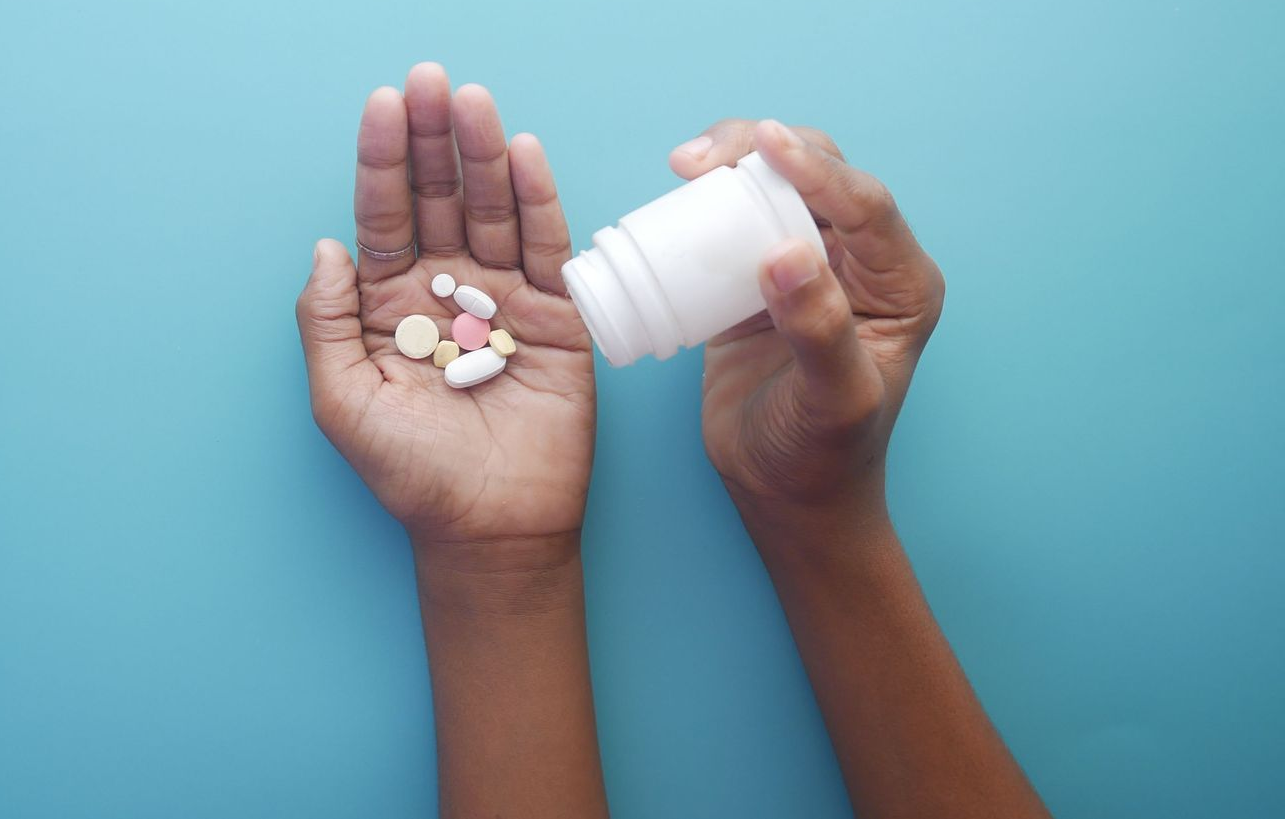
This article cuts through the noise. Using the 2026 Women’s Health Concern (WHC) / British Menopause Society (BMS) evidence review and additional high‑quality research, here are the supplements and non‑hormonal therapies that actually have evidence — and those that don’t.
⭐ Supplements & Therapies With Evidence
1. St John’s Wort (Hypericum perforatum)
Evidence: Moderate evidence for reducing vasomotor symptoms (hot flushes, night sweats), particularly in women who cannot take HRT — including those with a history of breast cancer.
Mechanism: Acts as a serotonin reuptake inhibitor.
Cautions:
- Major drug interactions (including SSRIs, SNRIs, warfarin, oral contraceptives- reduces their effectiveness so could lead to unwanted pregnancy).
- Should NOT be used with tamoxifen — reduces its effectiveness.
- Variable potency across brands.
Verdict: Evidence‑supported but requires specialist oversight.
2. Black Cohosh (Cimicifuga racemosa)
Evidence: Some benefit for hot flushes, though less effective than HRT.
Limitations:
- No evidence for mood, anxiety, sleep, or other symptoms.
- Concerns about liver toxicity (rare but reported).
- Avoid in women with a history of breast cancer.
Verdict: May help vasomotor symptoms, but safety uncertainties limit its use.
3. Isoflavones / Soya / Red Clover (Phytoestrogens)
Evidence: Highly variable. Some studies show mild improvement in hot flushes; others show no benefit.
Key points:
- Effects depend on gut microbiome
- Not recommended for women with breast cancer.
- Dietary intake (tofu, tempeh, edamame) is safe and healthy; supplements are less predictable.
Verdict: Mixed evidence — dietary phytoestrogens are fine, supplements less reliable.
4. CBT for Menopause Symptoms
Not a supplement — but one of the strongest evidence‑based non‑hormonal treatments.
Evidence:
- Reduces the impact of hot flushes and night sweats.
- Improves sleep, anxiety, and mood.
- Recommended by WHC, BMS, and the Menopause Society.
Verdict: Strong evidence, safe, and effective.
5. Clinical Hypnosis
Evidence: Moderate evidence for reducing vasomotor symptoms.
Verdict: Evidence‑supported, especially for women avoiding hormones.
6. Vitamin D & Calcium (for bone health)
Not menopause symptom treatments — but essential for long‑term health.
Evidence:
- Vitamin D deficiency is common in midlife particularly in women of colour and in those who cover up for religious or cultural reasons.
- Supplementation reduces fracture risk only when combined with adequate calcium intake.
- No benefit for vasomotor symptoms.
Verdict: Essential for bone health; not a menopause symptom treatment.
7. Omega‑3 Fatty Acids (EPA/DHA)
Omega‑3s are often marketed for menopause symptoms — but the evidence is clearer for heart and brain health, not vasomotor symptoms.
Evidence for Menopause Symptoms
- No meaningful improvement in hot flushes.
- Small improvements in mood and depressive symptoms.
Evidence for Heart Health (Strong)
Midlife is a critical time for cardiovascular risk acceleration. Omega‑3s have robust evidence for:
- Lowering triglycerides
- Reducing cardiovascular mortality in some populations
- Supporting endothelial function
- Reducing inflammation
- Potential reduction in arrhythmia risk
Large trials (e.g., GISSI‑Prevenzione, VITAL) show cardiovascular benefits, particularly in people with elevated triglycerides or low baseline omega‑3 intake.
Why this matters in menopause
Declining oestrogen increases:
- LDL cholesterol
- Central adiposity
- Insulin resistance
- Inflammation
- Cardiovascular event risk
Omega‑3s support long‑term cardiometabolic health — a key priority in menopause care.
Verdict: Excellent for heart health and mood; not a treatment for hot flushes.
8. Magnesium
Magnesium is widely promoted for menopause, but evidence varies depending on the symptom.
Evidence‑supported areas
- Sleep quality: Some RCTs show improved sleep efficiency and reduced insomnia symptoms.
- Muscle cramps: Evidence supports magnesium for nocturnal leg cramps in some populations.
- Mood & anxiety: Magnesium plays a role in neurotransmission; small studies show benefit for mild anxiety.
- Bone health: Magnesium is essential for bone mineralisation and works synergistically with vitamin D.
Areas without evidence
- Hot flushes
- Night sweats
- Cognitive symptoms
- Weight management
Why magnesium matters in midlife
Magnesium deficiency is common due to:
- Low dietary intake
- Stress
- Poor sleep
- High caffeine intake
- Certain medications (PPIs, diuretics)
Verdict: Useful for sleep, mood, muscle cramps, and bone health — but not a menopause symptom treatment.
9. Fenugreek (Trigonella foenum‑graecum) & Fenavari
Fenugreek: Evidence‑Based Summary
Multiple randomised, double‑blind, placebo‑controlled trials show that specific fenugreek extracts can improve menopausal symptoms.
What the evidence shows
- Reduced vasomotor symptoms Hot flushes and night sweats improved in several trials.
- Improved mood and sleep Depression, anxiety, and insomnia scores improved vs placebo.
- Improved overall menopause symptom scores MENQOL and MRS scores reduced across vasomotor, psychosocial, physical, and sexual domains.
- Hormonal effects vary by formulation
- Some extracts ↑estradiol, ↑progesterone, ↓FSH
- Others show symptom improvement without hormonal change
- Suggests both endocrine and non‑endocrine mechanisms
Formulations with evidence
- FHE (Fenugreek Extract) — 250 mg twice daily
- Proprietary fenugreek seed extract — 600 mg/day
- Fenavari (fenugreek + shatavari) — 300–500 mg/day
These are standardised extracts used in trials — not generic fenugreek capsules.
Mechanisms (proposed)
- Steroidal saponins → hormone modulation
- Trigonelline → metabolic and neurocognitive effects
- Anti‑inflammatory and adaptogenic activity
Safety
- Generally well tolerated in trials
- Long‑term safety data limited
- Avoid in hormone‑sensitive cancers until more evidence available
Clinical stance
Fenugreek is a promising non‑hormonal supplement with RCT support for vasomotor, mood, sleep, and overall symptom improvement — but benefits are formulation‑specific, and generic products may not replicate trial outcomes.
🚫 Supplements With Little or No Evidence
Ginseng
No improvement in hot flushes, anxiety, or mood.
Chinese Herbal Medicines
No reliable evidence; variable potency; have been cases of liver and kidney toxicity using Chinese herbs.
Homeopathy
No evidence beyond placebo.
Evening primrose oil does not improve menopausal symptoms.
This has been shown repeatedly across multiple RCTs and systematic reviews.
It may help cyclical breast pain, but this is not a menopause indication.
So What Should Women Take?
If avoiding or unable to take HRT, the evidence‑supported options are:
For vasomotor symptoms
- St John’s Wort (with specialist oversight, not if on tamoxifen or Oral contraceptive pill)
- Black cohosh (limited evidence; avoid in breast cancer)
- CBT/Clinical hypnosis
- Prescription non‑hormonal options (SSRIs/SNRIs, gabapentin, clonidine, fezolinetant, elinzanetant)
For mood
- Omega‑3
- St John’s Wort (if safe as above)
For bone health
- Vitamin D
- Calcium
- Weight‑bearing exercise
- Resistance training
For general wellbeing
- CBT
- Exercise
- Sleep optimisation
- Nutrition (Mediterranean diet)
What About “Longevity” Supplements?
Many midlife women ask about supplements marketed for “healthy ageing” or “menopause longevity” — NMN, resveratrol, collagen, turmeric, adaptogens.
Currently, none have strong evidence for menopause symptom relief. Some may support general health, but they should not be marketed as menopause treatments.
Conclusion: Evidence Over Hype
The supplement industry thrives on hope — but women deserve better than expensive placebos. The WHC/BMS 2026 review makes it clear:
- Most supplements do not outperform placebo.
- A few have moderate evidence (St John’s Wort, black cohosh, phytoestrogens).
- Non‑hormonal prescribed options are often more effective.
- CBT and hypnosis are genuinely evidence‑based.
- Bone health supplements matter — symptom supplements mostly don’t.
Women should be supported to make informed, safe, evidence‑based choices — not sold unregulated products with big promises and small results.
Ready to discuss your treatment options?
Click here to book your personalised consultation.
This article is intended for general information and education, and does not replace individual medical advice. If you have questions about your own symptoms, risk factors or treatment options, please book a consultation or speak to your GP.