PMDD and Relationships

August 20, 2025
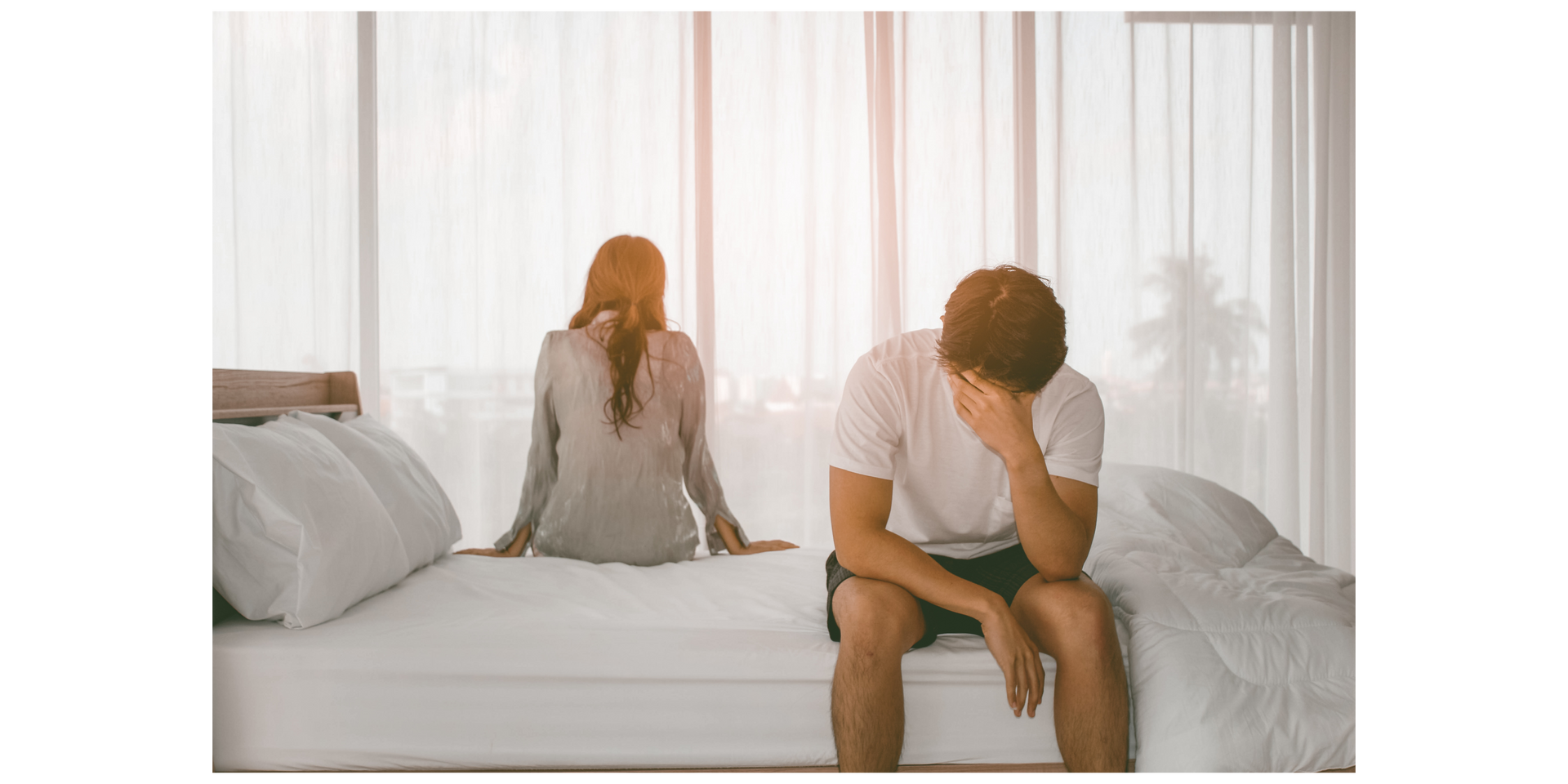
A couple sits on a bed, separated. The man is distraught, covering his face. Sunlight streams through a window.

PMDD can cause interpersonal conflict and destroy relationships. For the final part of PMDD awareness month, Dr Becky Saadian talks to Aaron Kinghorn. Aaron is a board member of IAPMD (International Association for Premenstrual Disorders) and author of ‘Hope A Guide to PMDD for Partners and Caregivers’. Aaron has had 15 years’ experience of living alongside PMDD through supporting his wife, Jude. He has also provided direct peer support to hundreds of partners with PMDD. Aaron is also the co-author of a first-of-its-kind study looking into the lived experience of partners of women with PMDD

Aarons book: ‘Hope A Guide to PMDD for Partners and Caregivers’, can be purchased on Amazon. All proceeds go to IAPMD.

Examining the impact of premenstrual dysphoric disorder (PMDD) on life and relationship quality: An online cross-sectional survey study. Hodgetts, S and Kinghorn A. 2025.

By Dr Louise Horrocks February 23, 2026
12 surprising menopause symptoms beyond hot flushes — from burning mouth and tinnitus to digestive changes. Why they happen and practical tips to ease discomfort.
By Dr Ginny Ponford February 13, 2026
Explore how meaningful social connection supports women’s midlife health, reducing stress, improving wellbeing, and strengthening long‑term cardiometabolic outcomes.
By Dr Susie Rockwell January 27, 2026
Understanding how hormones impact ADHD in women, from the menstrual cycle to menopause, with practical support, coaching insights and compassionate guidance.
By Dr Louise Horrocks January 24, 2026
Discover why so many women hide menopause symptoms, the hidden impact on wellbeing, and practical steps to get support, treatment, and feel better.
By Dr Rebecca Poet January 16, 2026
Discover how hormonal changes during the menstrual cycle, perimenopause & menopause affect women’s skin, and learn effective treatments for acne, rosacea and ageing.
Five clinicians sitting together
December 30, 2025
TWHC’s 2025 achievements include new services, specialist clinicians, and expanded education and advocacy, empowering women through better hormone health.
December 18, 2025
Menopause isn’t just hot flushes. Learn about GSM symptoms like vaginal dryness, painful sex, and bladder issues—and discover effective treatments today.
December 15, 2025
Practical tips to manage PMDD symptoms and stress during the festive season with self-care and planning.
December 8, 2025
Why HYROX is the ultimate midlife fitness solution for women. Learn how strength & endurance training boosts muscle, heart health, confidence during menopause
November 17, 2025
Do you ever feel anxious, irritable and overwhelmed in the run up to your period? Do you think it's hard to control your temper and feel just not like yourself? These are common signs of premenstrual syndrome (PMS) which is a term used to describe a number of physical and emotional symptoms you may experience in the run up to your period. The exact cause is not clearly understood but it is thought to be due to a change in your hormone levels in the second half of your cycle. Notably a rapid fall in the level of progesterone, (our soothing, calming, and relaxing hormone), could very well be at play. For some women, the first time they really begin to notice symptoms of PMS is as they enter the perimenopause as their natural hormones, and in particular, their progesterone levels begin to fall. For others, as they hit perimenopause, their lifelong PMS symptoms become more intense and start to appear earlier and earlier in their cycle. It is really important to acknowledge the enormous impact that these symptoms can have on a woman’s life and the impact they can have on those around them at home and in the workplace. So what can we do about it? In all cases, whether perimenopausal or not, following a healthy diet that focuses on maintaining a well-balanced blood sugar is vital. Regular exercise, minimising alcohol intake and getting sufficient sleep as well as taking supplements such as magnesium and B vitamins will also help. If anxiety is a major factor then a daily supplement of Ashwagandha can be very beneficial. For moderate PMS, supplementary progesterone therapy in the second half of the cycle can be extremely beneficial. In some cases, overriding the body’s natural cycle with a body-identical combined contraceptive pill such as Zoely, taken with no breaks brings relief. In other cases, hormone replacement therapy involving natural oestrogen and progesterone is used. Whether PMS has always been a part of your life and you’d like to take back control, or if you have developed cyclical mood changes more recently and want to understand what is happening and how to tackle it, our specialist clinicians are ready to listen. We are able to help you find the right strategy whatever your stage of life.