Running During Menopause: A Journey of Strength and Resilience
If you have been wondering whether to keep running, scale back, or even been inspired to start for the first time after watching friends running marathons; this article is for you.
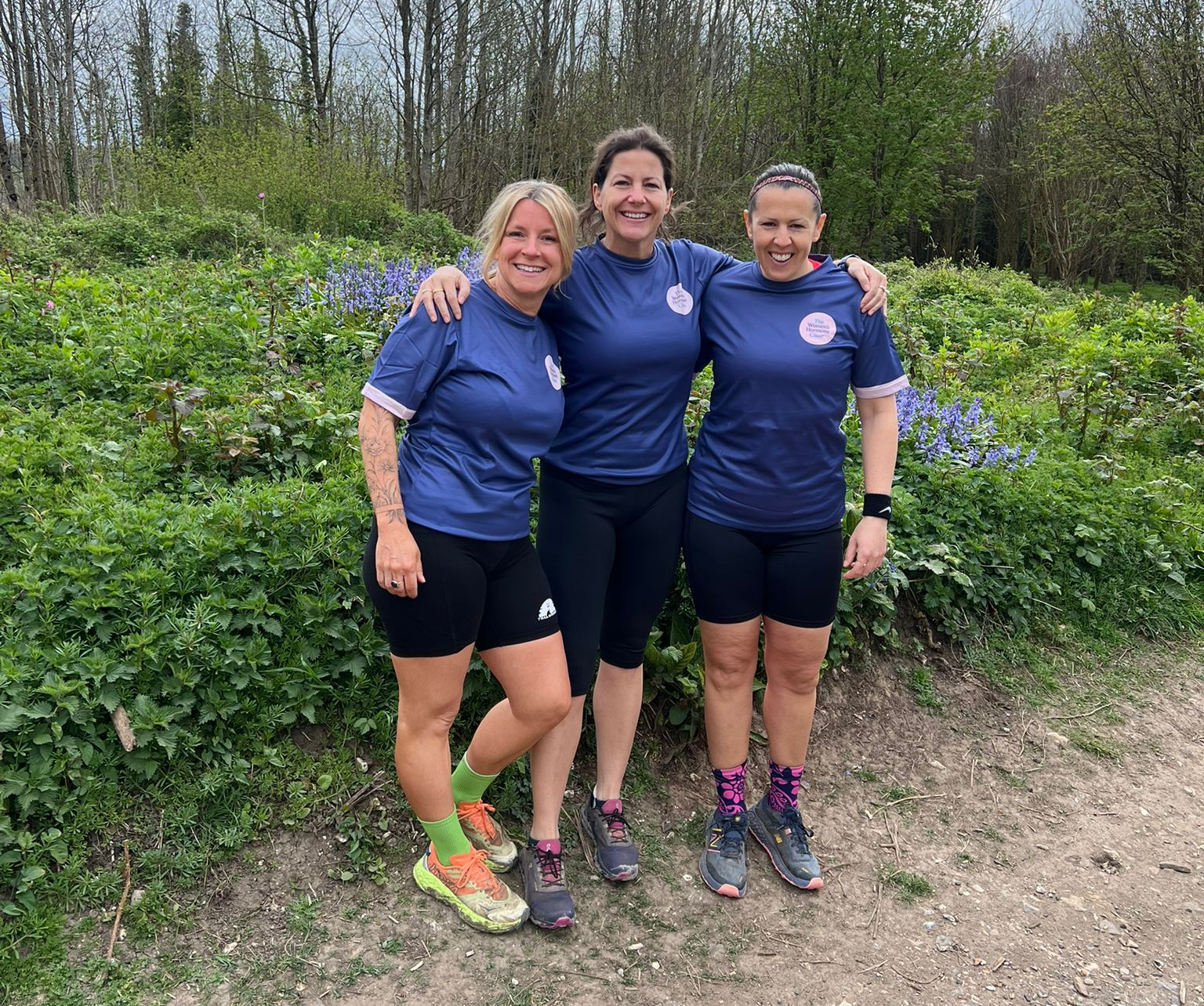
Perimenopause, menopause and post-menopause are all significant milestones in a woman’s life but they absolutely do not mean the end of an active lifestyle, and certainly not the end of running. In fact, the evidence increasingly points in the opposite direction: running is one of the most powerful tools available to women navigating this transition, with measurable benefits across bone health, cardiovascular function, mental wellbeing and symptom management.
What Happens to the Body During Menopause?
To understand why running matters so much during this phase of life, it helps to understand what is happening hormonally. As oestrogen and progesterone decline, women experience a cascade of physiological changes including reduced bone mineral density, increased cardiovascular risk, shifts in body composition, disrupted sleep, and changes in mood and cognition. These are not inevitable consequences to simply endure. Many of them can be significantly mitigated through regular exercise, particularly weight-bearing aerobic activity like running.
The Benefits of Running During Menopause
Bone Density
Oestrogen plays a critical role in maintaining bone density. Its decline accelerates bone loss, increasing the risk of osteoporosis and fracture. Weight-bearing exercise including running directly stimulates bone formation and slows this process. Studies have shown that postmenopausal women who run regularly have significantly higher bone mineral density than sedentary counterparts, particularly in the hip and spine.
Cardiovascular Health
Cardiovascular disease risk rises markedly after menopause, largely due to the loss of oestrogen’s protective effect on blood vessels. Regular aerobic exercise including running improves lipid profiles, reduces blood pressure, enhances endothelial function and lowers the risk of heart disease. The evidence here is robust and consistent.
Weight and Metabolic Health
Declining oestrogen affects insulin sensitivity and promotes fat redistribution, particularly around the abdomen. Running supports metabolic health by improving insulin sensitivity, burning calories and helping to maintain lean muscle mass, especially when combined with strength training.
Mood and Mental Health
Exercise is one of the most effective non-pharmacological interventions for low mood and anxiety. Running stimulates the release of endorphins, serotonin and dopamine, all of which are relevant to the mood changes many women experience during perimenopause and menopause. Regular runners consistently report better emotional resilience and lower rates of depression.
Sleep Quality
Sleep disturbance is one of the most common and disruptive symptoms of menopause. Regular aerobic exercise has been shown in multiple studies to improve sleep quality, reduce the time it takes to fall asleep and decrease night-time waking. The mechanisms involve both direct physiological effects and the regulation of cortisol and melatonin rhythms.
Hot Flushes
The evidence on exercise and vasomotor symptoms is nuanced but encouraging. Several trials have shown that regular moderate-intensity exercise reduces the frequency and severity of hot flushes over time. The effect is likely mediated through improvements in thermoregulatory control and the broader stabilisation of the autonomic nervous system.
Joint Health
Joint pain and stiffness are common in perimenopause, linked to oestrogen’s role in maintaining joint cartilage and reducing inflammation. While high-impact running may aggravate existing joint problems, regular low to moderate running helps maintain joint flexibility, reduces stiffness and supports the muscles that protect joint integrity.
Tips for Running During Menopause
Build gradually. If you are returning to running or increasing your mileage, progress slowly. The hormonal environment of perimenopause and menopause affects recovery time, and the risk of injury increases if you push too hard too quickly.
Prioritise recovery. Recovery becomes more important, not less, as we age. Build rest days into your schedule, prioritise sleep, and pay attention to how your body responds to training loads.
Incorporate strength training. Running alone is not enough to fully counteract the muscle loss and bone density changes of menopause. Two to three sessions of resistance training per week focusing on the lower body, core and upper body significantly enhance the benefits of running and reduce injury risk.
Support your joints. Add mobility work, yoga or Pilates to your routine. This supports joint health, improves flexibility and builds the core strength that underpins good running form.
Fuel appropriately. Nutritional needs shift during menopause. Adequate protein intake is essential for muscle maintenance and recovery. Calcium and vitamin D are critical for bone health. Avoid under-fuelling, which is a common pattern in active women and counterproductive during this stage of life.
Listen to your body. Menopause introduces variability into training in ways that can be frustrating. Symptoms fluctuate across the cycle in perimenopause and can vary day to day. Adjusting your training in response to how you feel is not weakness. It is smart training.
Consider running with others. The social dimension of running has genuine mental health benefits. Running clubs, parkrun and running with friends all provide motivation, accountability and connection, which matter particularly during a life stage that can feel isolating.
Ask about HRT. For many women, hormone replacement therapy makes a significant difference to their capacity to exercise. Oestrogen replacement can reduce joint pain, improve sleep and recovery, stabilise mood and support the bone and cardiovascular benefits of running. If you are finding that symptoms are affecting your training, it is worth having a conversation with a specialist.
The Role of HRT in Supporting Active Women
At The Women’s Hormone Clinic, we regularly see women whose training has been significantly disrupted by menopausal symptoms, and who find that the right hormonal support allows them to run again, recover better and feel more like themselves. HRT is not right for everyone, but for many active women it is an important part of the picture. We take a personalised approach, considering each woman’s symptoms, history and goals.
Conclusion
Menopause is a natural part of life, and running can be a powerful ally in navigating this transition. With the right approach, adapting training, prioritising recovery, supporting nutrition and considering hormonal health, women can continue running longer and stronger through perimenopause and well into post-menopause.
The narrative around women’s bodies and ageing needs to change. Menopause is not a barrier to performance or an active life. With the right support, it can be the beginning of a new and stronger chapter.
Book a consultation at The Women’s Hormone Clinic
Dr Ginny Ponsford is a GP and BMS-accredited menopause specialist and clinical lead of The Women’s Hormone Clinic.
For informational purposes only. If you are starting a new exercise programme or are resuming exercise after a prolonged break then contact your GP before you start. If something does not feel right, stop and contact a qualified clinician or exercise professional before resuming.