When Period Pain Is More Than Just Period Pain - Endometriosis in Younger Women
Following on from Dr Poet's blog, I wanted to share my own perspective on endometriosis. Whilst everything she covered is important, there's another part of the story that I think deserves its own space: what it looks like when endometriosis starts early, sometimes as soon as a girl has her first period, and why that matters.

Endometriosis affects 1 in 10 women. Yet it takes an average of 8 years to diagnose, its symptoms are routinely dismissed, and too many women are still navigating it without the right support. For women who first notice symptoms in their teens, those eight years can take up a significant portion of their formative years. This is everything you need to know, from what endometriosis is, to how hormones are involved, to what treatment and living well can actually look like, whether you're 17 or 37.
What is Endometriosis?
Endometriosis is a chronic condition in which tissue similar to the lining of the womb grows outside of it, on the ovaries, fallopian tubes, bowel, bladder, and in some cases further afield. Like the womb lining, this tissue responds to the hormonal fluctuations of the menstrual cycle, thickening, breaking down and bleeding, but with nowhere to go. The result is inflammation, scarring, and often significant pain.
It is not a rare condition. It affects an estimated 190 million people worldwide. And yet it remains one of the most misunderstood and underdiagnosed conditions in women's health.
If you have spent years being told your periods are just bad, or that the pain is something you need to push through, we want you to know: that is not good enough, and you are not alone.
It Can Start at Any Age, Including Puberty
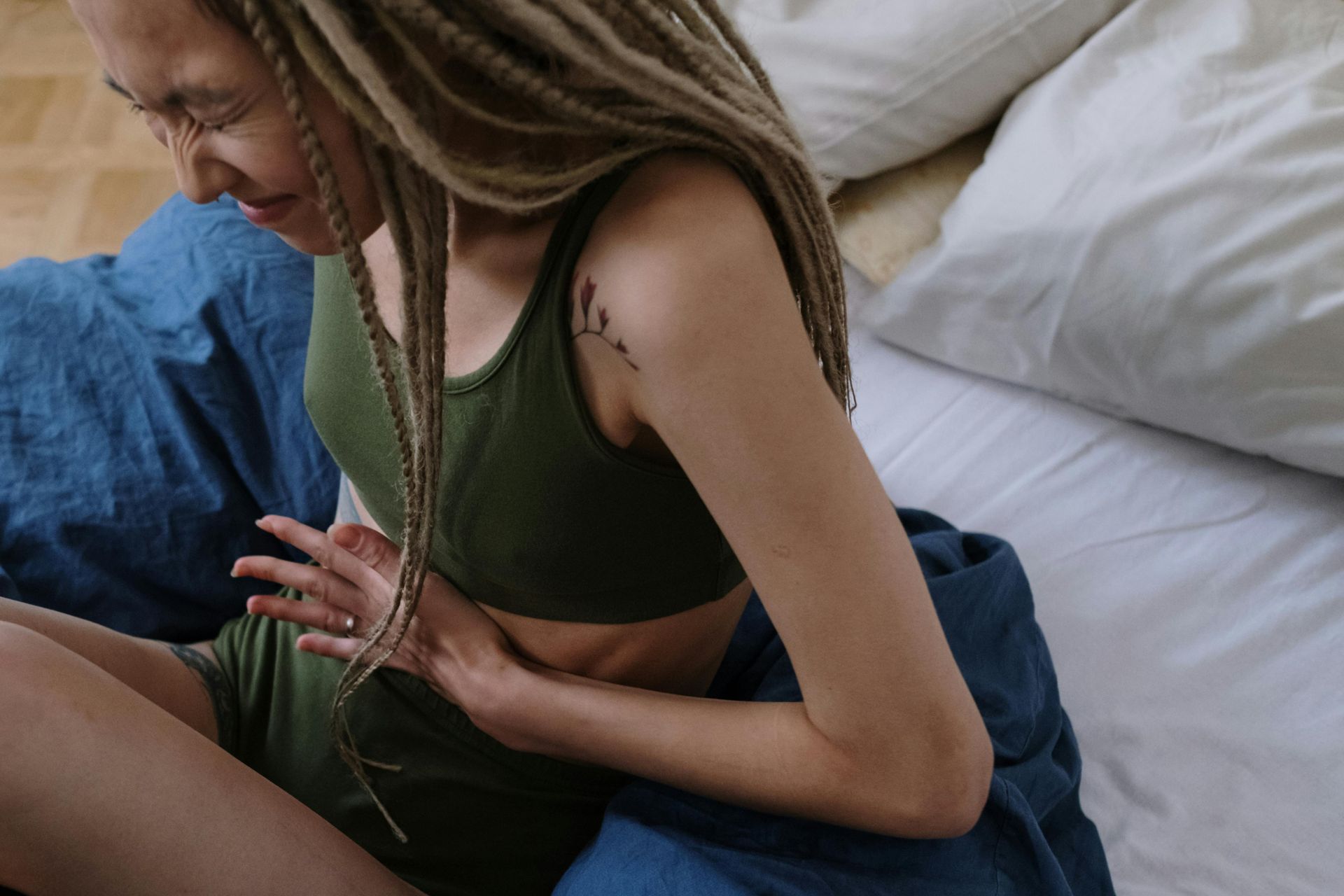
This is something that often surprises people. Endometriosis is not a condition that develops in adulthood. For many women, symptoms begin with their very first periods. Severe cramping that keeps you off school, pain that seems wildly disproportionate to what you're told is "normal," fatigue that no one around you seems to understand. These can all be early signs.
The problem is that in adolescence, these symptoms are almost universally dismissed. Heavy, painful periods in a teenager are normalised rather than investigated. By the time a young woman reaches her twenties and pushes for answers, years have already passed.
Symptoms to Know
Endometriosis presents differently in every woman. Some experience debilitating symptoms from an early age. Others have minimal pain but significant fertility difficulties. Many fall somewhere in between, which is part of what makes it so difficult to identify without specialist support.
Common symptoms include painful, heavy periods, chronic pelvic pain, pain during or after sex, fatigue, bloating (often called "endo belly"), and bowel or bladder symptoms including pain when using the toilet during a period.
What makes endometriosis particularly challenging to identify is that many of these symptoms overlap with other conditions, including irritable bowel syndrome, anxiety and pelvic inflammatory disease. Women are frequently told it is one of these things first, sometimes for years, before anyone considers endometriosis.
Why Does it Take So Long to Diagnose?
Eight years. That is the average time it takes to receive a diagnosis of endometriosis in the UK. For someone whose symptoms began at 13 or 14, that can mean reaching their early twenties still without answers, often having spent their teenage years managing pain alone, missing school, social events, or sport, and being told it's something they simply have to get on with.
This is not because the condition is rare or subtle. It is because women's pain has, for too long, been normalised, dismissed and misattributed. "Bad periods" are still brushed off as just part of being a woman. Symptoms like bloating and bowel changes are frequently put down to IBS or stress. And there is no simple blood test: confirmation requires laparoscopic surgery, which means referral thresholds are high and waits can be long.
We know how exhausting it is to keep pushing for answers. But if you recognise your symptoms here, please do not accept dismissal. Track your symptoms, note their timing in relation to your cycle, and ask for a referral to a specialist. You know your body, and you deserve to be heard.
The Hormone Connection
This is where things get particularly important for us at The Women's Hormone Clinic, because endometriosis is oestrogen-dependent, and that changes everything about how we approach it.
Oestrogen stimulates the growth of endometriosis tissue. This is why symptoms so often track closely with the menstrual cycle, typically worsening in the days before and during a period when hormones are fluctuating most dramatically. For women in their teens and twenties, this hormonal picture is particularly dynamic, which can make symptoms feel unpredictable and difficult to manage.
It's also worth knowing that perimenopause adds another layer of complexity. As oestrogen levels begin to shift unpredictably in the years approaching menopause, many women with endometriosis find that symptoms they thought were settling suddenly become more erratic. Flares can feel impossible to predict.
HRT is often a concern for women with endometriosis approaching menopause, and understandably so. The reassuring news is that HRT is not automatically off the table. Many women with endometriosis can use it safely, with careful specialist guidance tailored to their individual history, the type of HRT, and their current symptoms. This is precisely the kind of nuanced, personalised assessment we provide at The Women's Hormone Clinic.
Treatment Options
Treatment for endometriosis is never one-size-fits-all. The right approach depends on the severity of symptoms, the location and extent of disease, fertility goals, and where a woman is in her hormonal journey.
Hormonal treatments work by suppressing the growth of endometriosis tissue through reducing oestrogen stimulation. Options include the combined oral contraceptive pill, progestogen-only treatments, GnRH analogues, and newer oral GnRH antagonists such as Ryeqo and Linzagolix, which offer greater flexibility and tolerability than older options and are increasingly available for eligible patients.
Surgical treatment, typically laparoscopic excision or ablation of endometriosis tissue, can provide significant and lasting relief for many women, particularly those with severe disease or those who have not responded well to hormonal management.
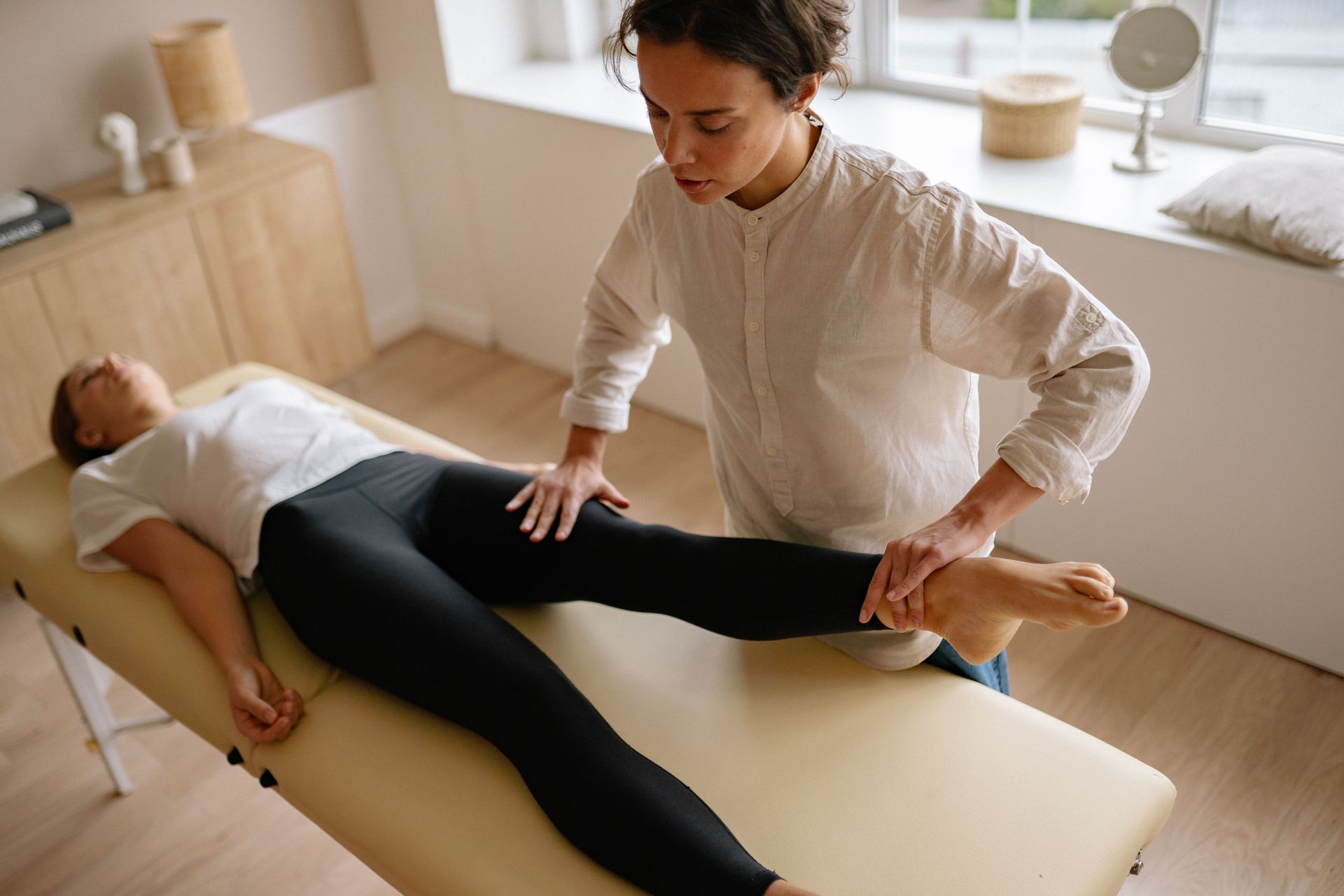
Pain management, pelvic floor physiotherapy and psychological support all have an important role alongside medical and surgical treatment. Endometriosis is a whole-body condition, and care works best when it is genuinely joined up.
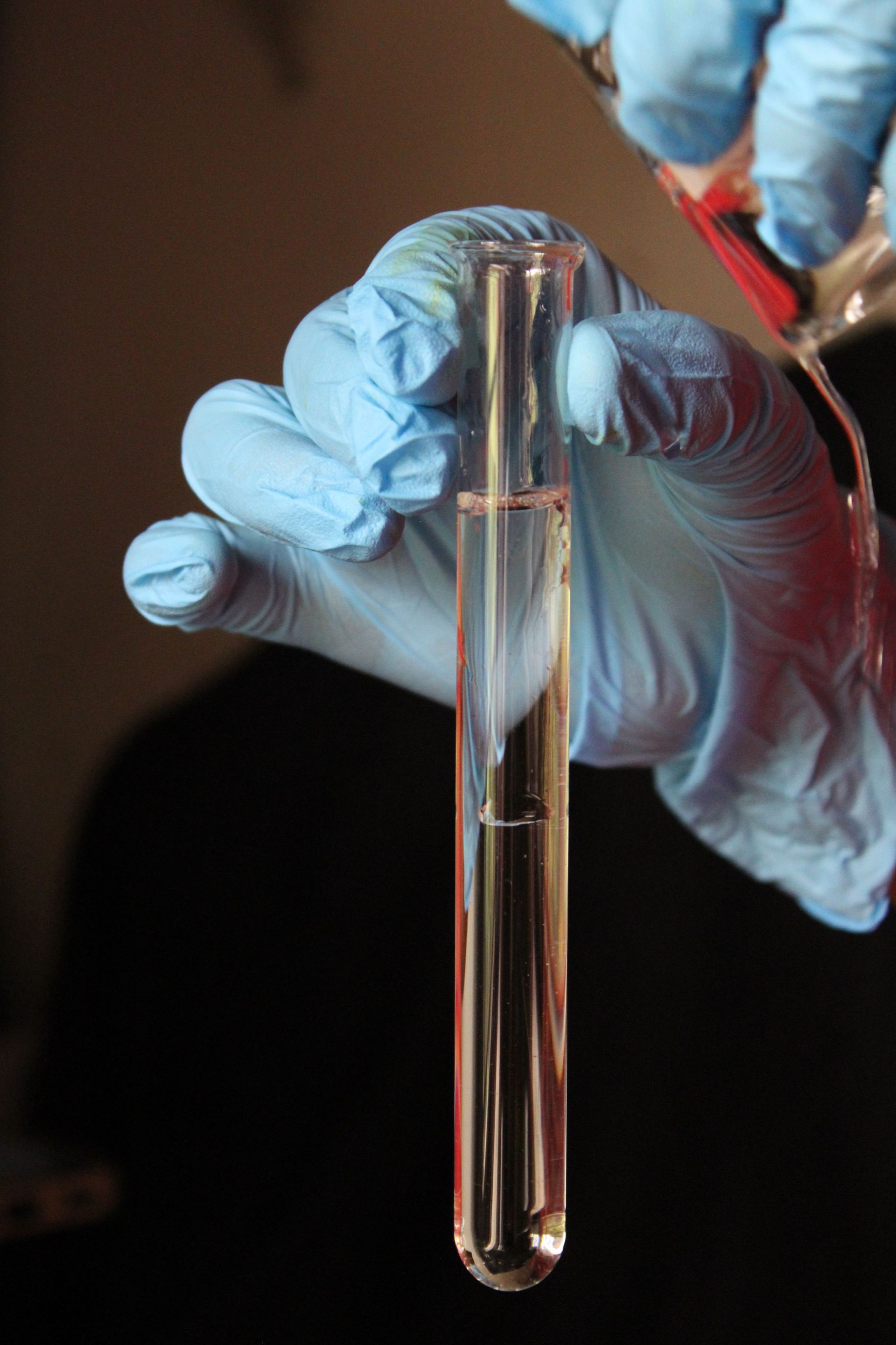
It is also worth knowing that diagnostic options are evolving. The Ziwig Endotest is a non-invasive saliva test that analyses microRNA markers using genomic sequencing and AI, with clinical studies showing sensitivity of around 97% and specificity above 93%. We are proud to offer the Ziwig Endotest at The Women's Hormone Clinic, giving patients access to earlier, less invasive answers.
Living Well with Endometriosis
A diagnosis is the beginning of understanding, not the end of living well. We see this in the women we work with every day. With the right support, it is entirely possible to manage symptoms effectively and live a full, active life, regardless of when your journey with endometriosis began.
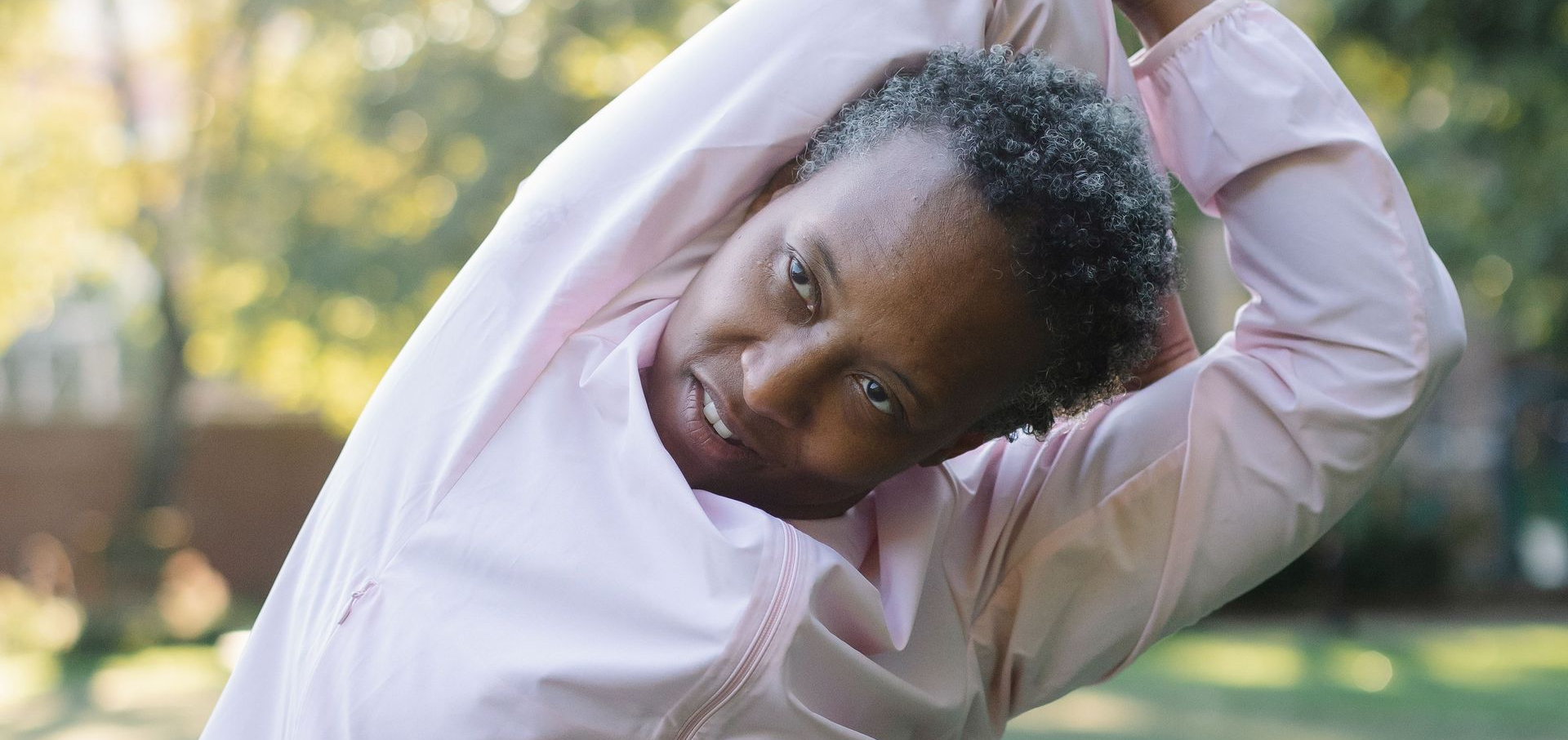
Movement helps. Gentle, consistent exercise such as Pilates, walking and swimming supports pain management, reduces inflammation and has a meaningful impact on mental health. It does not need to be intense to make a difference.
Nutrition matters. An anti-inflammatory diet rich in omega-3 fatty acids, leafy greens, fibre and whole foods can genuinely shift how you feel day to day. Reducing processed foods, alcohol and excess caffeine is also worth considering alongside any medical treatment.
Building the right support team is arguably the most valuable thing you can do. A specialist clinician who understands endometriosis, a pelvic health physiotherapist, a counsellor, and a nutritionist working together can provide the kind of comprehensive care that a single appointment simply cannot.
The emotional side matters just as much. Living with chronic pain, and with a condition that has so often been dismissed, takes a real toll. This is true at any age, but there is something particularly isolating about managing it as a young woman when the people around you have no frame of reference for what you're going through. Organisations such as Endometriosis UK offer community and advocacy, and our trusted partner Pausefully Counselling provides specialist emotional support for women navigating endometriosis and its impact on identity, relationships and fertility.
We Are Here to Help
If you recognise yourself in any part of this article, whether you are a teenager whose pain has been dismissed, someone in their twenties who has spent years looking for answers, or navigating endometriosis alongside perimenopause or menopause, we would love to support you.
Throughout Endometriosis Awareness Month, we have been sharing information and insight on our Instagram page covering why diagnosis takes so long, the hormone connection, living well with endometriosis, and the latest innovations in diagnosis and treatment. Come and find us there.
And when you are ready for personalised, specialist support, we are here.
Book a consultation with one of our clinicians here.