ADHD, Hormones and the Hidden Strain on Women
Neurodiversity describes the natural variation in how human brains work. We are all neurodiverse, but the umbrella term ‘neurodiversity’ includes ADHD, autism, dyslexia and other neurological differences. Awareness is improving, but women’s lived experiences, particularly as hormones change across the lifespan, are still often overlooked.
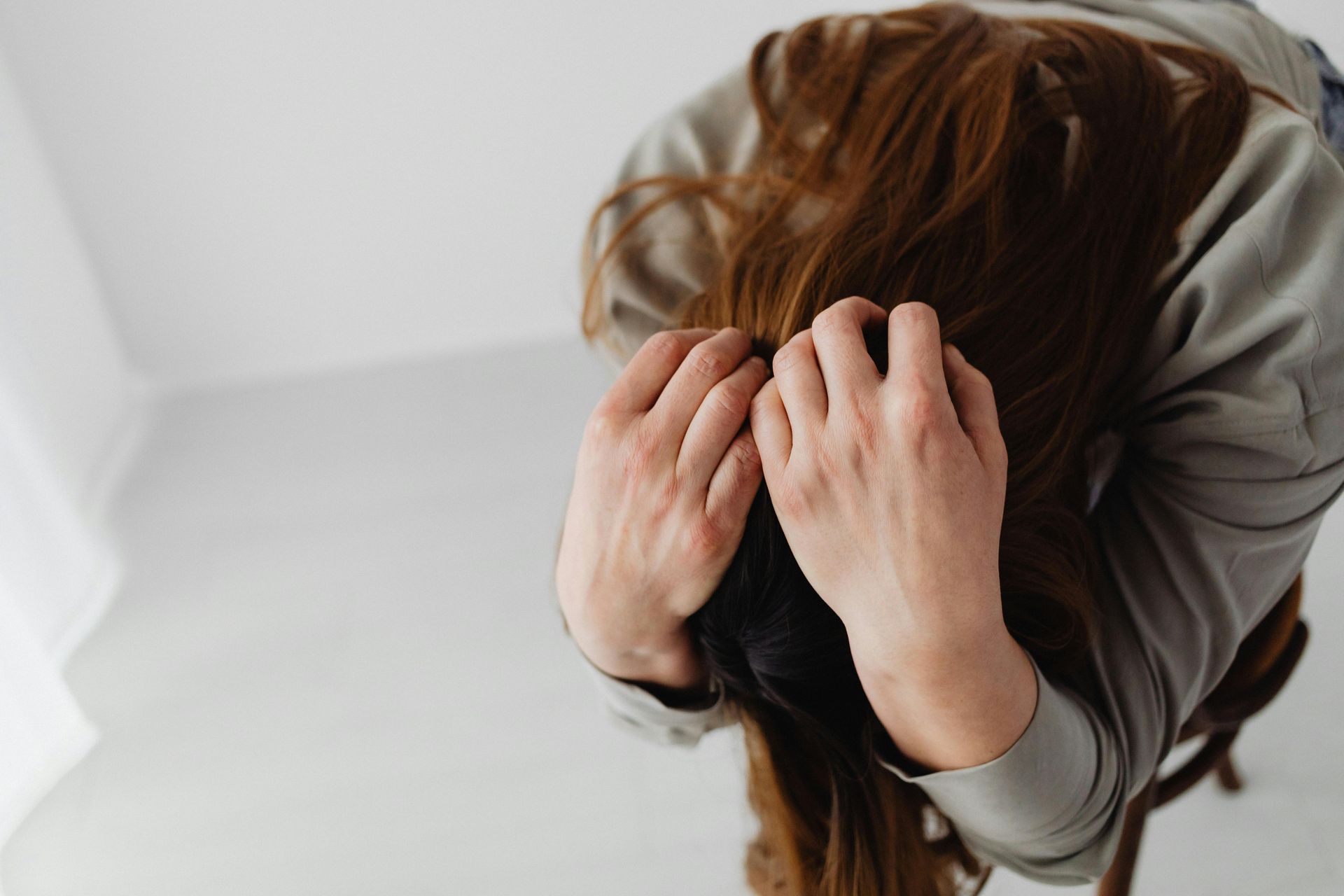
Hormonal fluctuations can significantly influence how ADHD shows up in daily life. For many women, symptoms intensify or change during the menstrual cycle, perimenopause and menopause, yet these links are rarely discussed in clinical settings.
In this article, we explore the intersection between women’s hormones and ADHD, why this matters for health and wellbeing, and what supportive options are available. We hear from Donna Harman, an ADHD Coach from Bloom and Spark Coaching, ahead of the Instagram Live session that we will be co-hosting on Wednesday 18th February.
The Gender Gap in ADHD and Neurodiversity
Historically, ADHD research and diagnostic criteria have been based on male presentations. As a result, many women are misdiagnosed, diagnosed later in life, or missed altogether.
Women are more likely to internalise symptoms, mask difficulties, and develop coping strategies that hide ADHD from teachers, clinicians and employers. Hormonal changes can further complicate this picture, often leading women to seek help only when symptoms become unmanageable.
By the time many women receive a diagnosis, they may have been let down by multiple systems and present with complex experiences, including anxiety, depression, burnout or PMDD. This makes expert, joined-up support especially important.
Hormones, ADHD and the Menstrual Cycle
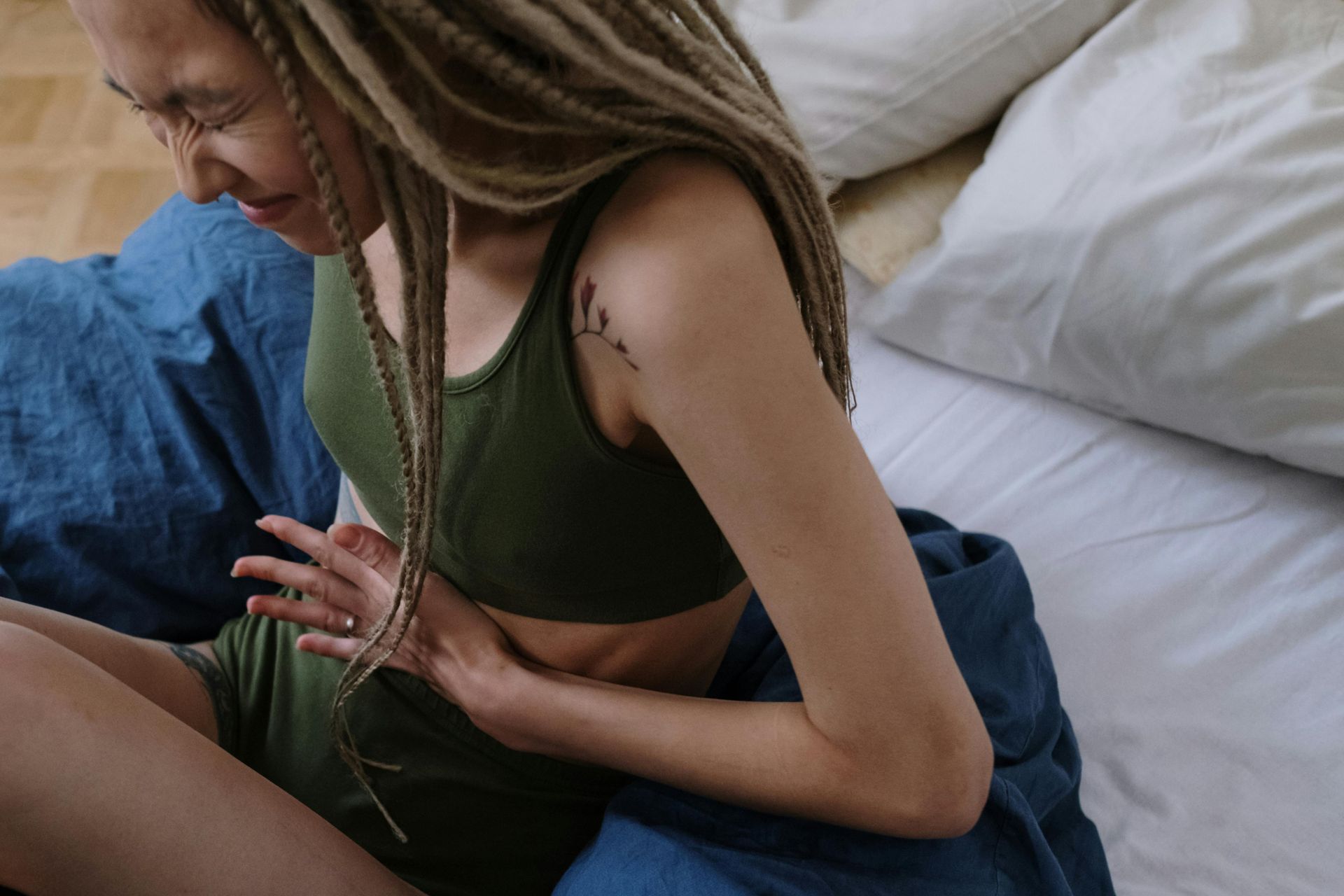
Fluctuations in oestrogen and progesterone can have a noticeable impact on mood, focus, sensory sensitivity and emotional regulation. Many neurodivergent women recognise clear patterns across their menstrual cycle:
- Menstrual phase – lower energy, increased sensitivity, a stronger need for rest and withdrawal
- Follicular phase – rising motivation, creativity and clearer thinking
- Ovulatory phase – peak confidence, focus and social energy
- Luteal phase – irritability, emotional intensity, fatigue and reduced tolerance for stress
Understanding these patterns can be empowering. It allows women to plan ahead, reduce self-criticism, and adjust expectations during more challenging phases.
Puberty, Pregnancy, Perimenopause and Menopause
Major hormonal transitions can intensify ADHD traits or bring new challenges. Puberty, pregnancy, perimenopause and menopause are common points where women notice a significant shift in symptoms.
During perimenopause and menopause, declining progesterone and fluctuating oestrogen can contribute to brain fog, memory issues, emotional dysregulation and sleep disturbance – all of which can overlap with or worsen ADHD symptoms.
Hormonal changes and natural fluctuations often complicate symptoms for women with ADHD. In the clinic, we frequently see women who feel they are ‘losing control’ of coping strategies that once worked for them. Recognising the hormonal contribution is often a huge relief. It also means that if medication is required, it can be tailored as natural hormones to what the woman needs, rather than prescribing antidepressants or similar agents which are far less effective and totally miss the point of what the body really needs.
Mental Health, Burnout and the Cost of Coping
Undiagnosed or unsupported ADHD can take a significant toll on mental health. Years of masking, pushing through exhaustion and trying to ‘fit in’ can lead to anxiety, depression and burnout.
Hormonal unpredictability can further disrupt daily functioning, relationships and work performance. Many women describe feeling misunderstood or dismissed, particularly in professional environments where flexibility and awareness are limited.
This highlights the importance of personalised, compassionate support that considers both neurological and hormonal health.
Where Does ADHD Coaching Fit In?
NICE guidelines recommend that following an ADHD diagnosis, individuals should be offered medication as an option. However, medication alone is rarely enough.
ADHD Coach Donna explains:
“There is a huge difference between managed and unmanaged ADHD which intercepts with so many external factors – environmental, psychological and situational. Hormonal changes throughout a women’s life also have a huge impact which affects quality of life significantly. Medication can help with focus and regulation, but during my coaching training, I often heard the phrase ‘pills don’t give skills’. Coaching helps you understand your brain, build strategies, and learn how to self-manage long term.”
Coaching supports women to:
- Understand how ADHD shows up for them personally
- Work with hormonal changes rather than against them
- Develop practical systems for work, relationships and self-care
- Build confidence and reduce shame and strengthen executive functioning skills.
Therapy also plays an important role, particularly where there is trauma, anxiety or low self-esteem alongside ADHD.
Whereas coaching helps people move towards a lighter path ahead.
Practical Ways to Support Hormonal and ADHD Health
Small, informed changes can make a meaningful difference:
- Track your cycle – noticing patterns can help with planning, pacing and self-compassion
- Seek specialist support – hormone assessments, medication and tailored advice can be transformative
- Lifestyle adjustments – balanced nutrition, omega-3s, gentle movement and rest all support brain and hormone health
- Workplace advocacy – flexible working, awareness and inclusive policies can significantly reduce stress
Conclusion
The relationship between women’s hormones and ADHD is complex but increasingly understood. By raising awareness, improving diagnosis, and offering joined-up support, women can feel validated rather than blamed for their experiences.
If you recognise yourself in this article, know that support is available. You are not failing – your body and brain simply need the right understanding and care.
Join Donna and me for our Instagram Live conversation on 18th February, where we’ll explore these topics in more depth and answer your questions.