Coping with PMDD During the Christmas Holidays
For many, the festive season is a time of joy, connection, and celebration. But if, like me, you live with Premenstrual Dysphoric Disorder (PMDD), Christmas can feel overwhelming.

By Dr Becky Saadian
The combination of hormonal changes, busy schedules, and heightened expectations can make symptoms harder to manage. Here are some caring, practical strategies to help you navigate the holidays with greater ease:
Prioritise Rest and Boundaries
- Give yourself permission to say no to events or traditions that feel draining.
- Protect downtime for rest even if it means stepping away from the bustle.
- Remember - boundaries aren’t selfish — they’re essential for wellbeing.
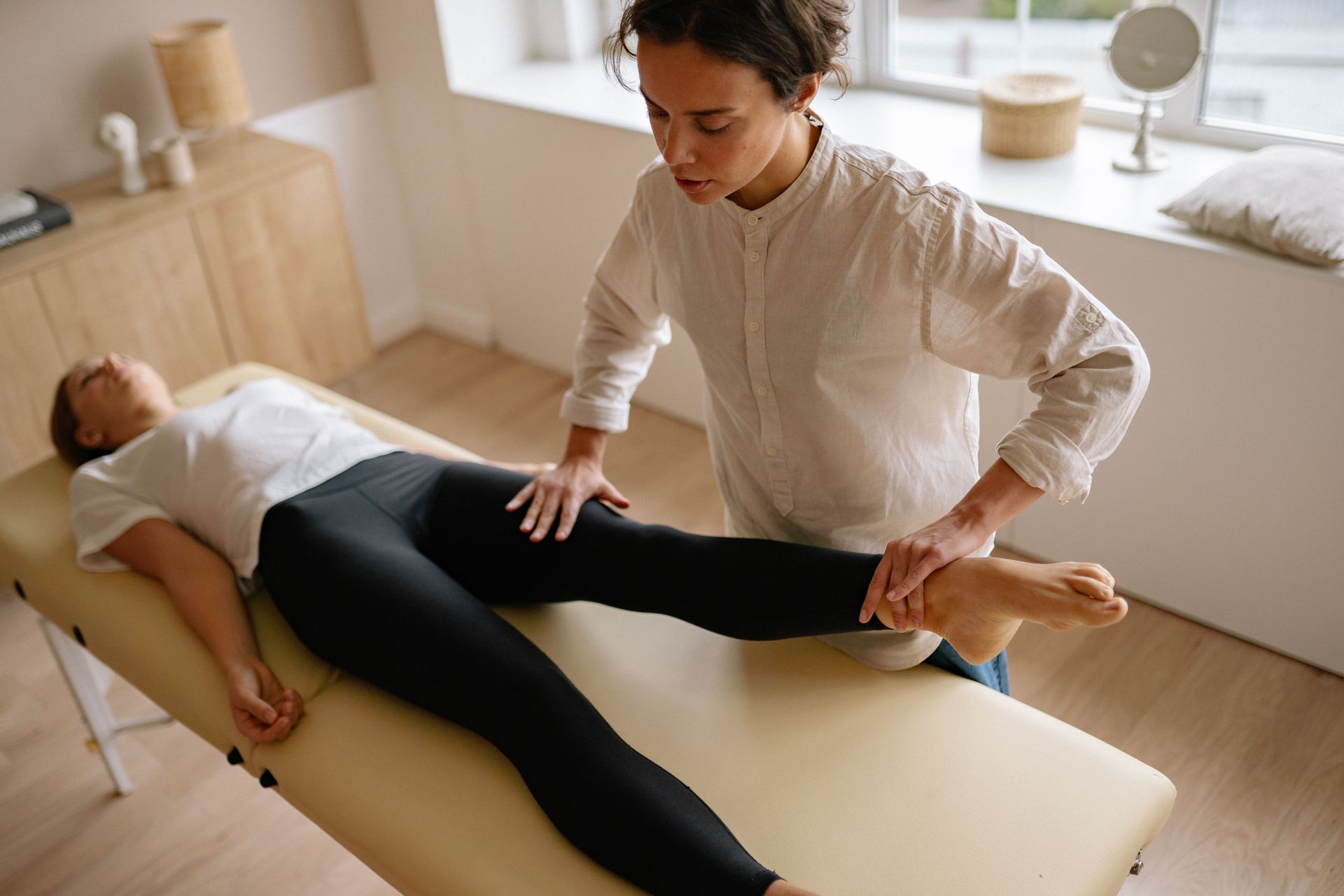
- Schedule in something that is downtime and self care for you such as a facial, massage, yoga class - just having something relaxing to look forward to can help.
Nourish Your Body
- Aim for balanced meals to stabilise energy and mood.
- Allow yourself festive treats BUT keep healthy snacks on hand to avoid sugar crashes (this can worsen hormone disruption). Treats in moderation!
- Stay hydrated — festive drinks can be dehydrating and worsen fatigue. Alcohol can lower mood making you feel worse, having a glass of water in between each alcoholic drink can help keep you hydrated.
Gentle Movement and Calm
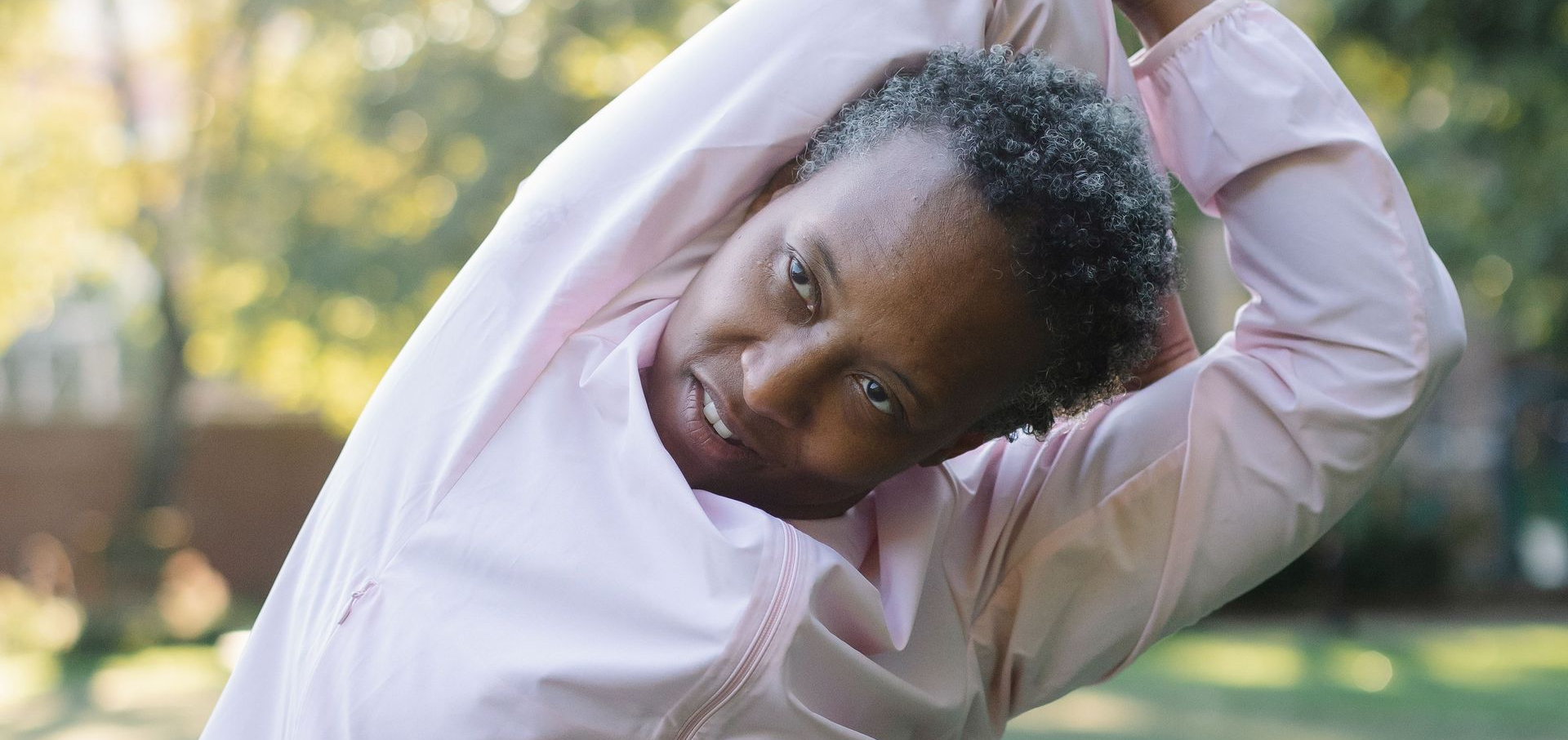
- Short walks, stretching, or yoga can ease tension and lift mood.
- Try relaxation techniques such as deep breathing or guided meditation- useful apps include: CALM, Headspace and Breathwrk.
- Even five minutes of calm can make a difference.
Communicate Openly
- Share with loved ones how PMDD affects you, so they understand your needs.
- Let them know what helps — whether it’s quiet time, practical support, or simply patience.
- Honest conversations reduce pressure and foster connection.
- Hope - A Guide to PMDD for Partners and Caregivers by Aaron Kinghorn is an excellent, easy to read book that can be purchased online.
Manage Expectations
- Focus on what matters most to you, not on creating a 'perfect' Christmas.
- Simplify traditions — small, meaningful moments often bring the most joy.
- Celebrate in ways that feel authentic and manageable.
Plan Ahead
- Track your cycle so you know when symptoms may peak.
- Build in extra rest or lighter commitments during those days.
- Having a plan helps you feel more in control.
- Remember to order any medication well in advance so you don't run out over Christmas.
Remember - PMDD is not your fault, and coping during Christmas is about kindness to yourself.
If symptoms feel overwhelming, The Women’s Hormone Clinic is here to help you - our all female GP team are experts at helping women manage with PMDD. We can offer virtual consultations from the comfort and privacy of your own home. Click on the link to see our availability and get booked in.
Happy Holidays!
Becky