HYROX: Rediscover Your Strength

December 8, 2025

Why HYROX is the Ultimate Midlife Fitness Game-Changer

Menopause and perimenopause often bring big changes—physically, mentally, and emotionally. But this stage of life doesn’t mean losing your strength, confidence, or energy. In fact, it can be the perfect time to unlock a new kind of midlife power. Whether you’re already active, easing back into a routine, or planning those New Year fitness goals, there’s a way to feel unstoppable: HYROX training. 

By Dr Ginny Ponsford


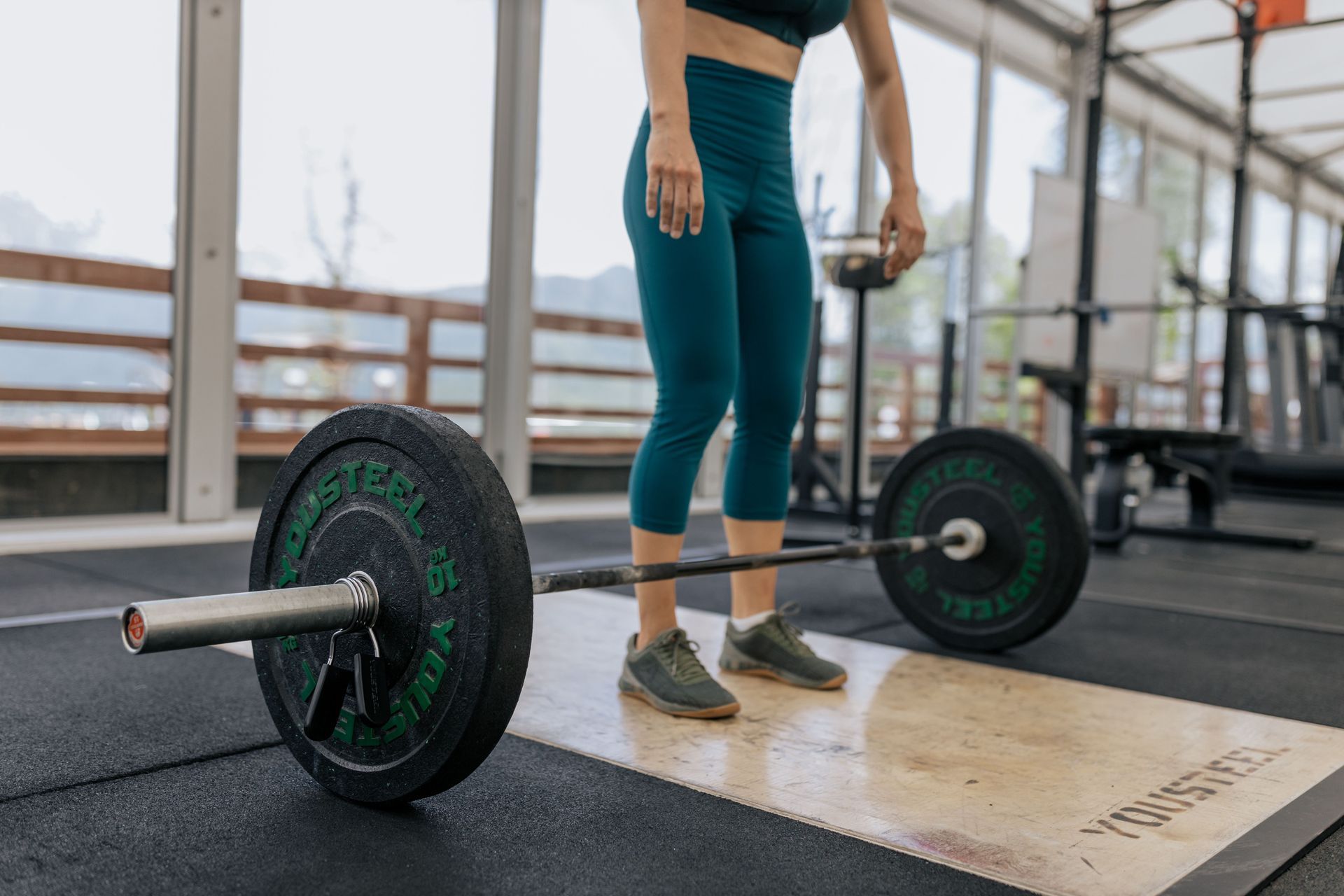
This weekend, I took part in my third HYROX event and I can tell you that it is more than a workout—it’s a structured, empowering fitness experience that blends functional strength with endurance.  It’s making waves as a safe, effective, and confidence-boosting option for women navigating menopause. 

And I’m not alone in my enthusiasm; entries for new events sell out quicker than Oasis tickets. 


So What is HYROX? 

Put simply it is a series of eight one kilometre runs interspersed with eight different functional strength exercises.  It sounds grueling (and it is!) but that doesn’t begin to explain the atmosphere, sense of camaraderie or sheer joy of completing the challenge. 


Why Does it Matter for Midlife Women?


Rebuild & Preserve Muscle Mass 

As estrogen levels drop, muscle mass naturally declines. HYROX’s strength stations help rebuild lean muscle, boosting metabolism, improving balance, and keeping you strong and capable. Tip: Research shows resistance training 2–3 times per week is one of the most effective ways to maintain muscle during menopause. 


Support Heart Health

Cardiovascular fitness becomes even more important in midlife. HYROX’s blend of running and functional movements helps counter heart-health risks and keeps your endurance high.


Reduce Stress & Lift Your Mood

Endorphins matter. HYROX-style intervals can improve sleep, ease anxiety, and help you feel grounded, calm, and energised—perfect for managing the emotional ups and downs of menopause.


Strengthen Your Bones 

Weight-bearing exercises protect bone density, a key priority for long-term health during peri- and post-menopause.


Build Confidence & Community 

HYROX isn’t just about physical strength—it’s about belonging. Training with others creates motivation, accountability, and a sense of pride in every achievement. 


Why HYROX is the Perfect Midlife Fitness Solution

Whether you’re returning to the gym, completely new to strength training, or simply curious, HYROX offers a safe, supportive, and energising way to look after your mind and body through menopause and beyond.  And training with a goal in mind is always  more effective. 


Ready to Feel Unstoppable?

Start your HYROX journey today and discover how strength and endurance training can transform your midlife experience.


👉 Join a HYROX class near you or explore beginner-friendly training plans now!


👉 Have a chat with your clinician who will give you the advice you need about safely introducing exercise into your routine and can even offer athlete specific blood tests to help you get the most out of your training. 


By Dr Louise Horrocks February 23, 2026
12 surprising menopause symptoms beyond hot flushes — from burning mouth and tinnitus to digestive changes. Why they happen and practical tips to ease discomfort.
By Dr Ginny Ponford February 13, 2026
Explore how meaningful social connection supports women’s midlife health, reducing stress, improving wellbeing, and strengthening long‑term cardiometabolic outcomes.
By Dr Susie Rockwell January 27, 2026
Understanding how hormones impact ADHD in women, from the menstrual cycle to menopause, with practical support, coaching insights and compassionate guidance.
By Dr Louise Horrocks January 24, 2026
Discover why so many women hide menopause symptoms, the hidden impact on wellbeing, and practical steps to get support, treatment, and feel better.
By Dr Rebecca Poet January 16, 2026
Discover how hormonal changes during the menstrual cycle, perimenopause & menopause affect women’s skin, and learn effective treatments for acne, rosacea and ageing.
Five clinicians sitting together
December 30, 2025
TWHC’s 2025 achievements include new services, specialist clinicians, and expanded education and advocacy, empowering women through better hormone health.
December 18, 2025
Menopause isn’t just hot flushes. Learn about GSM symptoms like vaginal dryness, painful sex, and bladder issues—and discover effective treatments today.
December 15, 2025
Practical tips to manage PMDD symptoms and stress during the festive season with self-care and planning.
November 17, 2025
Do you ever feel anxious, irritable and overwhelmed in the run up to your period? Do you think it's hard to control your temper and feel just not like yourself? These are common signs of premenstrual syndrome (PMS) which is a term used to describe a number of physical and emotional symptoms you may experience in the run up to your period. The exact cause is not clearly understood but it is thought to be due to a change in your hormone levels in the second half of your cycle. Notably a rapid fall in the level of progesterone, (our soothing, calming, and relaxing hormone), could very well be at play. For some women, the first time they really begin to notice symptoms of PMS is as they enter the perimenopause as their natural hormones, and in particular, their progesterone levels begin to fall. For others, as they hit perimenopause, their lifelong PMS symptoms become more intense and start to appear earlier and earlier in their cycle. It is really important to acknowledge the enormous impact that these symptoms can have on a woman’s life and the impact they can have on those around them at home and in the workplace. So what can we do about it? In all cases, whether perimenopausal or not, following a healthy diet that focuses on maintaining a well-balanced blood sugar is vital. Regular exercise, minimising alcohol intake and getting sufficient sleep as well as taking supplements such as magnesium and B vitamins will also help. If anxiety is a major factor then a daily supplement of Ashwagandha can be very beneficial. For moderate PMS, supplementary progesterone therapy in the second half of the cycle can be extremely beneficial. In some cases, overriding the body’s natural cycle with a body-identical combined contraceptive pill such as Zoely, taken with no breaks brings relief. In other cases, hormone replacement therapy involving natural oestrogen and progesterone is used. Whether PMS has always been a part of your life and you’d like to take back control, or if you have developed cyclical mood changes more recently and want to understand what is happening and how to tackle it, our specialist clinicians are ready to listen. We are able to help you find the right strategy whatever your stage of life.
November 17, 2025
On World Mental Health Day we want to draw your attention to the critical role that your hormones play in your mental health. The hormonal changes we experience during the perimenopause and menopause can have a profound effect on our mental health, with depression, anxiety, mood swings, and loss of self-esteem and confidence being extremely common. Women commonly describe losing their sense of self and this can have a significant impact on their relationships both at work and at home. Fluctuations in hormone levels including oestrogen, progesterone, and testosterone can have a direct effect on our mood. In particular, progesterone is an anti-anxiety hormone that is important for sleep, whilst testosterone is known to elevate the mood and boost stamina. We must also not underestimate the effects that changes in body shape, fertility and the quality of sleep can have on our mood and self-esteem. Regulating hormone levels during this time with hormone replacement therapy is a very effective way to tackle the mental health issues associated with this time in a woman’s life and can be far more effective than traditional antidepressant medications. Lifestyle interventions such as exercise, dietary changes, and reducing alcohol intake are also very important.  Above all it is important to remember you are not alone and there is help available either via your GP, a specialist hormone clinic , or via support charities such as the Samaritans.