What If I Think I Have PMDD?
If you’ve ever wondered whether your symptoms might be PMDD, you’re not alone. Many people spend years trying to make sense of what’s happening before they find the right language and support. Here’s what you need to know.
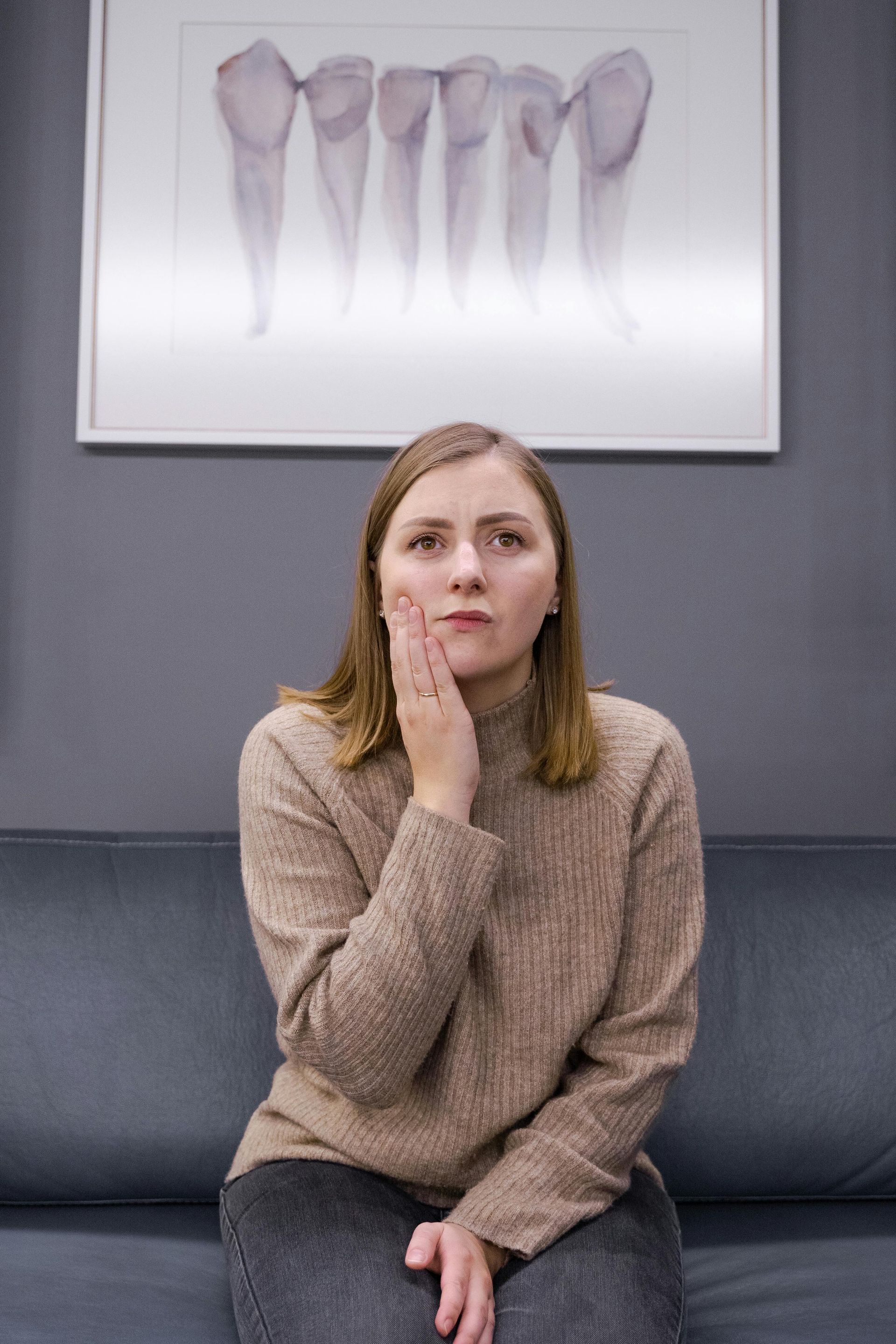
Premenstrual Dysphoric Disorder (PMDD) is often described as “bad PMS ” but that doesn’t quite capture the reality. PMDD is a severe, hormone‑sensitive condition that can affect mood, energy, sleep, and day‑to‑day functioning in the luteal phase of the menstrual cycle (the 14 days before a period is due). For many women, it feels like becoming a different person for part of every month — and then snapping back to baseline once the period starts.
What Is PMDD?
PMDD is a cyclical mood disorder triggered by the normal hormonal changes of the menstrual cycle. It typically appears in the week or two before a period and eases within a few days of bleeding starting.
Common symptoms include:
- Intense mood swings
- Irritability or anger
- Low mood or hopelessness which can be accompanied by thoughts of self harm or suicide
- Anxiety or feeling “on edge”
- Brain fog and difficulty concentrating
- Sleep changes
- Feeling overwhelmed
- Physical symptoms such as breast tenderness, bloating, or headaches
The key feature is cyclical patterning: symptoms appear in the luteal phase and resolve shortly after the period begins.
How Is PMDD Diagnosed?
There’s no blood test or scan for PMDD. Diagnosis is based on tracking symptoms over at least two menstrual cycles and identifying the clear pattern of worsening in the premenstrual phase.
A clinician will usually look for:
- Symptoms that are severe enough to affect daily life, relationships, or work
- A predictable monthly pattern
- A return to your usual self after your period starts
- Symptoms that aren’t better explained by another condition
Many people find that simply seeing their symptoms mapped out across a cycle is validating and clarifying.
How Do I Seek Help?
If you think you might have PMDD, the first step is to talk to a healthcare professional who understands hormone‑sensitive mood disorders. You can start with your NHS GP, or you can book directly with a specialist clinic like ours.
PMDD can be treated, and there are several evidence‑based options. The right approach depends on your symptoms, your medical history, and your preferences — but you don’t have to figure that out alone.
Why Choose The Women’s Hormone Clinic?
We know how life‑changing PMDD can be, and we’ve designed our service to give you the time, expertise, and support you deserve.
One Hour Virtual Appointment With an Expert Clinician
You’ll have a full hour with a clinician who has additional training in PMDD and hormone‑sensitive mood disorders. No rushing and no being dismissed.
A Holistic, Person‑Centred Approach
We look at the whole picture — hormones, other medical conditions, mental health, lifestyle, diet, and the realities of your day‑to‑day life.
Ongoing Support After Your Appointment
You’ll have email contact with your clinician after your consultation, plus the option of follow‑up and support appointments as you navigate next steps.
A Comprehensive Letter for You and Your NHS GP
After your appointment, you’ll receive a detailed summary letter. We can also send this to your NHS GP if you wish, so NHS prescribing remains an option for you.
As well as medication we can give you advice on practical strategies and supplements that can help.
You Don’t Have to Navigate PMDD Alone
If your symptoms feel overwhelming, unpredictable, or like they’re taking over part of your life, it’s worth exploring whether PMDD could be the cause. With the right support, things can get better.
If you’d like to talk to one of our clinicians, we’re here for you — ready to listen and ready to help.
Click here to book an appointment.
If you are actively having thoughts of self harm or suicide then you can:
Reach out to someone you trust and let them know how you’re feeling. Sharing the burden can make things feel less overwhelming.
- Contact a mental health professional or your GP urgently so you can be supported in a safe, timely way.
- Seek immediate help from local urgent care or emergency services if you feel unable to keep yourself safe.
- Contact the Samaritans 116 123 - free support 24/7